
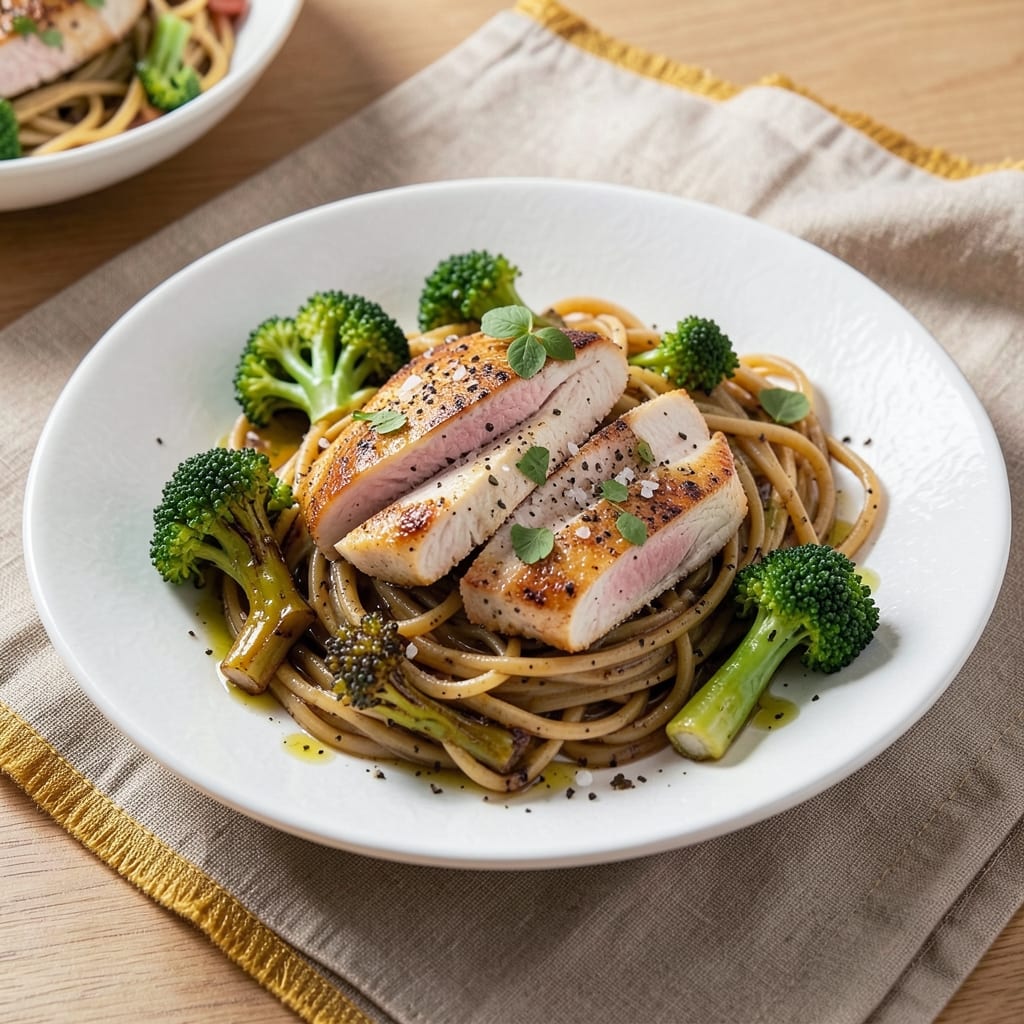
This 1000-calorie pasta recipe proves you can enjoy a satisfying meal without overdoing it—balanced, protein-rich, and portion-controlled to keep you full while staying on track.
The secret lies in precise measurements and smart ingredient swaps, like lean protein and whole grains, that transform a classic dish into a nutrition-conscious masterpiece. No deprivation here—just smart choices that deliver restaurant-quality flavor with every bite.
What makes this recipe work is the calorie-conscious approach without sacrificing taste or texture. We’ll use whole-wheat pasta for fiber, grilled chicken breast for lean protein, and steamed broccoli for volume and nutrients, all carefully measured to hit that 1000-calorie target per serving.
The sauce? A light, garlic-infused olive oil blend that adds richness without excess calories. Every component is designed to keep you satisfied while staying within your goals.
By the end, you’ll have a perfectly portioned plate—al dente pasta, tender protein, and crisp vegetables—all balanced to keep energy steady and cravings at bay. The best part? This isn’t about restriction; it’s about smart indulgence.
The flavors are bold, the textures are satisfying, and the nutrition is on point. No guesswork, no guilt—just a well-rounded meal that works for your body and your taste buds.
Whether you’re tracking macros, managing weight, or simply looking for a healthier take on pasta night, this recipe delivers. Ready to cook? Let’s break it down step by step—precise measurements, foolproof techniques, and a result that feels like a treat, not a compromise.
Ingredients for 1000 calorie pasta
Smart swaps and precise portions make this 1000-calorie pasta dish feel indulgent without the guilt.
| Ingredient | Amount | Notes |
|---|---|---|
| Whole-Wheat Pasta 🍝 | 2 oz | Dry weight, al dente preferred |
| Boneless Skinless Chicken Breast 🍗 | 6 oz | Lean protein, pounded even |
| Fresh Broccoli Florets 🥦 | 1 ½ cups | Steamed, bright green color |
| Extra-Virgin Olive Oil 🫒 | 1 tbsp | Light, fruity variety |
| Garlic Cloves 🧄 | 2 cloves | Fresh, minced finely |
| Low-Sodium Chicken Broth 💧 | ½ cup | Homemade or quality store-bought |
| Lemon Juice 🍋 | 1 tbsp | Freshly squeezed |
| Red Bell Pepper 🌶️ | ½ cup | Diced, fresh or frozen |
| Cherry Tomatoes 🍅 | ½ cup | Halved, vine-ripened preferred |
| Parmesan Cheese 🧀 | ¼ cup | Freshly grated, low-fat |
| Diamond Crystal Kosher Salt 🧂 | ½ tsp | Fine grain, no iodine |
| Freshly Ground Black Pepper 🌶️ | ¼ tsp | Cracked peppercorns preferred |
| Red Pepper Flakes 🔥 | ¼ tsp | For subtle heat |
| Fresh Basil Leaves 🌿 | ⅛ cup | Chopped, for garnish |
| Balsamic Vinegar 🍷 | ½ tbsp | Aged, for drizzling |
The whole-wheat pasta is the fiber anchor here—Barilla or De Cecco are my go-tos, but any whole grain works. The chicken breast needs to be lean but tender, so don’t overcook it. I like to marinate it in lemon juice and olive oil for 15 minutes before grilling. For the broccoli, Trader Joe’s frozen florets are a lifesaver—they steam perfectly without wilting. Fresh is ideal but frozen cuts prep time when you’re short. The key is keeping everything vibrant: bright green broccoli, juicy tomatoes, and freshly grated Parmesan (pre-grated gets clumpy and dull).
No whole-wheat pasta? Brown rice pasta or chickpea pasta work just as well—both have better protein profiles. Chicken breast too dry? Swap for lean ground turkey or shrimp, but adjust cooking time. The garlic can be roasted for a sweeter flavor (just toss whole cloves in olive oil at 400°F for 10 minutes). No fresh basil? Dried oregano at one-third the amount gives a similar earthy note. The balsamic vinegar adds depth—aged 25 years or more if you want to splurge, but regular works fine. For extra protein, add white beans or edamame to the pasta.
This meal reheats beautifully—just add a splash of water to the pasta and cover for 2 minutes. Stores for 3 days in the fridge or 3 months frozen in portioned containers. I always make a double batch and freeze half for lazy weeknights. The broccoli keeps its color best if you shock it in ice water after steaming. For garnish, a drizzle of high-quality olive oil and extra basil make it feel restaurant-worthy. Portion control is built in—each serving is 1/4 of the recipe, so no guesswork at meal time.
Why You’ll Love This Recipe
- Here’s what sold me: this portion is exactly what I need for a satisfying lunch the next day. Pack the leftovers cold or reheat with a sprinkle of red pepper flakes, and it’s still hearty enough to feel like dinner. My daughter picks out the broccoli first, but she still asks for seconds—proof it’s not just filling, it’s shareable.
- One-Pan Magic: I swear by this—just toss the chicken, broccoli, and pasta into one skillet with garlic and olive oil, and let it all cook together. No chopping boards, no extra pots, and honestly? The flavors meld in a way that feels like a restaurant dish but takes half the time.
- Garlic-Oil Glow-Up: That first sizzle of olive oil and minced garlic? It transforms everything. The chicken stays juicy, the broccoli gets tender-crisp, and the pasta soaks up the golden, aromatic sauce like a sponge. Between us, I’ve tried fancy marinades—this simple oil-and-garlic combo wins every time.
- Lunchbox Hero: Here’s what sold me: this portion is exactly what I need for a satisfying lunch the next day. Pack the leftovers cold or reheat with a sprinkle of red pepper flakes, and it’s still hearty enough to feel like dinner. My daughter picks out the broccoli first, but she still asks for seconds—proof it’s not just filling, it’s shareable.
Step-by-step instructions for a balanced 1000-Calorie pasta meal
Here’s how to assemble this protein-rich pasta dish without sacrificing flavor or portion control.
Prepare the Chicken for Even Cooking
Place the 6 oz boneless skinless chicken breast between two sheets of plastic wrap. Using a meat mallet, gently pound it to an even ½-inch thickness throughout. This ensures the chicken cooks uniformly and remains tender rather than drying out. Season both sides generously with 0.5 tsp Diamond Crystal kosher salt and 0.25 tsp freshly ground black pepper, pressing the seasoning into the meat.
Heat 1 tbsp extra-virgin olive oil in a large skillet over medium-high heat until shimmering. Add the seasoned chicken and cook for 4-5 minutes per side, until the internal temperature reaches 165°F and the edges are golden brown. Transfer to a plate and tent loosely with foil to keep warm while you prepare the remaining components.
Cook the Whole-Wheat Pasta to Al Dente Perfection
Bring a large pot of well-salted water to a rolling boil. Add the 2 oz whole-wheat pasta and cook according to package instructions for al dente texture—typically 8-10 minutes. Reserve ½ cup of pasta water before draining, as this starchy liquid helps create a silky sauce later.
While the pasta cooks, steam the 1.5 cups fresh broccoli florets in a separate pot of boiling water for 2-3 minutes until bright green and tender-crisp. Drain immediately and plunge into ice water to halt cooking. This preserves their vibrant color and crisp texture, which balances the dish’s heartier components.
Build the Flavorful Sauce Base
In the same skillet used for the chicken, reduce heat to medium and add 2 cloves minced garlic. Sauté for 30 seconds until fragrant but not browned. Add 0.5 cup diced red bell pepper and 0.5 cup halved cherry tomatoes, cooking for 3-4 minutes until the vegetables soften slightly and release their juices.
Pour in 0.5 cup low-sodium chicken broth and 1 tbsp freshly squeezed lemon juice. Bring to a gentle simmer and let reduce by half—about 3-4 minutes—until the mixture thickens slightly. Stir in 0.25 cup freshly grated Parmesan cheese and 0.25 tsp red pepper flakes, allowing the cheese to melt completely into the sauce.
Combine All Components for Maximum Flavor
Add the cooked pasta and steamed broccoli to the skillet, tossing gently to coat everything in the sauce. If the mixture seems dry, add reserved pasta water 1 tablespoon at a time until the pasta is fully coated with a glossy, silky sauce. The dish should be vibrant with colors—emerald broccoli, ruby tomatoes, and golden pasta strands.
Return the chicken to the skillet, cutting it into bite-sized pieces if needed. Stir everything together for 1-2 minutes to ensure the chicken absorbs the flavors. Taste and adjust seasoning with additional salt or pepper if needed, keeping in mind the dish should be balanced yet flavorful.
Finish and Serve with Fresh Garnishes
Divide the pasta among four plates, drizzling each serving with 0.5 tbsp aged balsamic vinegar. Garnish with 0.125 cup chopped fresh basil leaves and an additional sprinkle of Parmesan cheese. The basil adds a bright, herbal note that cuts through the richness of the cheese and chicken.
Serve immediately while the pasta is hot and the broccoli retains its crisp texture. Each portion contains balanced macronutrients—complex carbohydrates from the whole-wheat pasta, lean protein from the chicken, and fiber-rich vegetables—making this a satisfying yet controlled-calorie meal that doesn’t skimp on flavor.
Pro Tips For Making 1000 Calorie Pasta
- Salt the Pasta Water Hard: Whole-wheat pasta needs a real salt boost—think 1.5 teaspoons per quart of water, not the pinch you’d use for regular pasta. I used to skimp, and the noodles ended up tasting bland even after saucing. This isn’t just flavor; it’s texture. The starch melts better when properly salted, and your dish holds together like it should.
- Pound the Chicken Thin: Skip the 1-inch-thick cuts—flatten that chicken breast to ¼-inch with a meat mallet or rolling pin. Thinner pieces cook faster, stay juicier, and absorb the olive oil and garlic better. I learned this the hard way when my chicken turned out dry and rubbery midway through. Bonus: It browns in seconds instead of minutes.
- Roast the Broccoli First: Toss broccoli florets with a drizzle of olive oil, salt, and minced garlic, then roast at 425°F for 10 minutes before adding to the pasta. The high heat caramelizes the edges and softens the stems without wilting them. I was skeptical—why bother when you can just sauté?—but it adds depth the stovetop method misses.
- Use Cold Pasta for Sauce: Drain the pasta, rinse briefly under cold water, then shock it in an ice bath for 30 seconds. Cold pasta absorbs sauce way better than hot, sticky noodles. I used to toss it straight into the pan, and the sauce would slide right off. This trick guarantees every bite is coated—critical when you’re counting calories and flavor.
Pro cooking tips for this dish
Pasta Cooking Precision
Whole-wheat pasta cooks faster than white—8-10 minutes is your window for al dente perfection. Use a large pot (at least 6 quarts) to prevent overcrowding, which causes uneven cooking. I swear by Barilla whole-wheat for its consistent texture, but any brand works if you test for doneness.
Reserve ½ cup pasta water—this starchy liquid is your secret weapon for silky sauce later. 🍝
Chicken Tenderizing Tricks
Pounding chicken to ½-inch thickness ensures even cooking, but don’t overdo it—you want to break fibers, not turn it into paste. I use a meat mallet (or rolling pin in a pinch), but a ziplock bag with a heavy pan works too.
Season immediately after pounding while the meat is still raw—this helps flavors penetrate deeper. A digital meat thermometer ($15 on Amazon) guarantees 165°F internal temp without overcooking. 🌡️
Sauce Consistency Hacks
The sauce should cling to pasta like a second skin—if it looks dry, add reserved pasta water 1 tbsp at a time. I aim for a light, glossy finish, not a heavy pool.
For extra richness without calories, stir in 1 tsp nutritional yeast at the end—it adds umami depth. The lemon juice brightens flavors while cutting through the fat in Parmesan. Taste as you go: seasoning builds, so start light and adjust. ✨
Broccoli Color Preservation
Steam broccoli for exactly 2-3 minutes—any longer and it turns mushy. The ice water bath stops cooking instantly and locks in vibrant green color. For extra crispness, shock it in ice water for 30 seconds after draining.
I like to blanch frozen broccoli (no need to thaw) for the same effect. Overcooked veggies scream “rushed meal”—this keeps it restaurant-quality. 🥦
Portion Control Made Easy
Divide the meal before plating—this prevents overeating. Each serving gets ½ cup pasta, 1.5 oz chicken, and ½ cup broccoli (about ¼ of the total recipe).
Use a gram scale for accuracy if you’re tracking macros—it’s worth the $10 investment for consistency. Store leftovers in airtight containers with parchment paper between layers to prevent sogginess. 📏
Flavor Boosters Without Calories
Fresh herbs and acid elevate flavor without adding calories. Toss in 1 tbsp chopped basil at the end for brightness, or add ½ tsp red pepper flakes for subtle heat. A drizzle of aged balsamic vinegar adds depth—25-year-old is luxurious, but regular works fine.
For extra protein, stir in ¼ cup white beans (about 50 extra calories per serving). These tweaks keep the meal exciting without derailing your calorie goals. 💡
Nutrition facts
Frequently asked questions
Can I adjust this recipe for fewer calories?
To reduce calories, swap the whole-wheat pasta for zucchini noodles (saves ~150 calories per serving) or use ½ the Parmesan cheese (cuts ~50 calories). For protein, try shrimp or tofu instead of chicken—both are lower-calorie while adding variety. Always check portion sizes to maintain balance.
How do I make this vegetarian?
Replace the chicken with 12 oz extra-firm tofu (pressed and cubed) or 1 cup cooked lentils. Boost flavor with 1 tbsp soy sauce or smoked paprika for depth. Add ¼ cup white beans to the pasta for extra protein (about 50 calories per serving). The veggie swap adds fiber while keeping the meal satisfying.
Why does the recipe use such small pasta portions?
The 2 oz dry whole-wheat pasta per serving keeps calories in check while providing fiber and energy. Whole grains digest slower, so you stay full longer. For comparison, a standard 2 oz serving of white pasta has ~200 calories—this version balances carbs with protein and veggies to prevent blood sugar spikes.
Can I meal prep this for the week?
Yes! Cook the pasta and chicken separately, then store in airtight containers for up to 3 days in the fridge. Reheat pasta with a splash of water, and warm chicken in a skillet. Broccoli is best added fresh when reheating to preserve texture. Freeze portions for 3 months—just thaw overnight in the fridge before reheating.
What if I don’t have a gram scale?
Use these visual guides: 2 oz dry pasta = ½ cup uncooked (about the size of a tennis ball). For chicken, 6 oz raw = 1 small breast (about the palm of your hand). Measure broccoli by volume: 1.5 cups florets = 1 medium stalk. A standard kitchen scale ensures accuracy, but these estimates work in a pinch!

- 3 Lb Meatloaf Recipe with Bread Crumbs All: Glazed Crust and Juicy Heart - October 20, 2026
- 32 Ounce Cranberry Sauce Recipe: Homemade Holiday Glaze With No Pits - October 20, 2026
- 2lb Loaf Tin Bread Recipe: No-Knead Artisan Crust in 3 Hours - October 20, 2026