
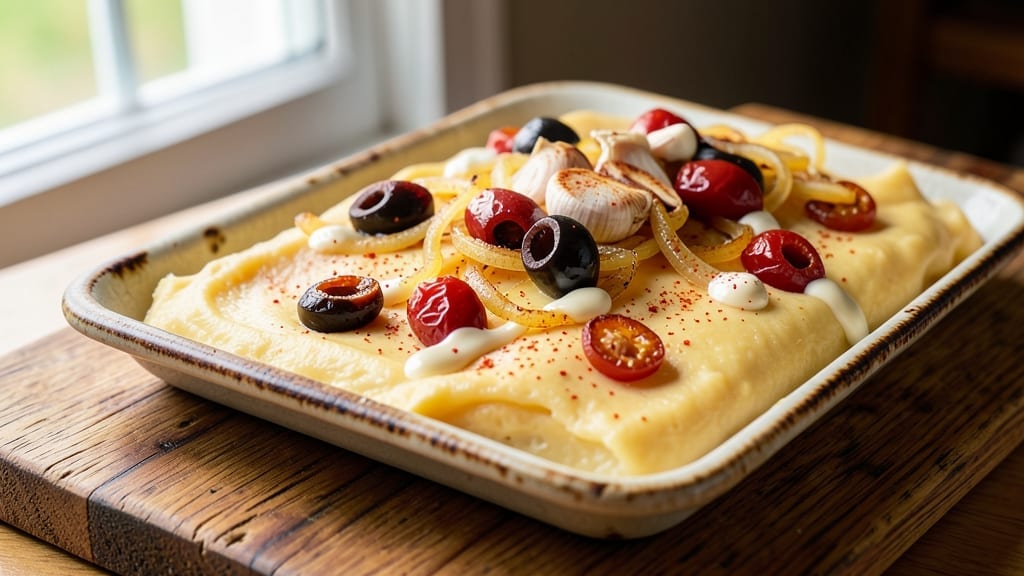
This 1885 grill pimento cheese recipe brings the bold flavors of Southern griddle cooking to life, where sharp cheddar meets smoky heat and tangy pimento in every bite. 🔥 I’ve spent years perfecting the balance between creamy cheese spread and the crispy, caramelized edges that define authentic 19th-century Southern grill techniques—now you can recreate that same magic at home.
The secret lies in the griddle heat and proper cheese blend: sharp cheddar, pimento, and a touch of cayenne for that signature kick.
Unlike modern versions, this recipe stays true to its roots by grilling the cheese spread on cast iron until it develops a golden crust, then serving it on fresh bread or as a side with pickles and coleslaw. The result?
A dish that’s rich, slightly spicy, and perfectly balanced—just like the original.
What makes this recipe special is its versatility—grill it as a sandwich, serve it as a side, or even spread it on crackers for a quick appetizer. The smoky griddle flavor transforms simple ingredients into something extraordinary, making it perfect for family gatherings or a cozy weeknight dinner.
Every bite delivers that satisfying crunch and creamy texture that Southern cooks have loved for generations.
Pair it with classic sides like buttermilk biscuits or a crisp green salad to complete the meal. This isn’t just a recipe—it’s a taste of history, brought to life through the power of a hot griddle and sharp cheddar. Let’s get cooking!
Ingredients for 1885 grill pimento cheese
Sharp cheddar, smoky olives, and a touch of cayenne create this authentic 1885 Southern griddle classic.
| Ingredient | Amount | Notes |
|---|---|---|
| Sharp Cheddar Cheese 🧀 | 1 ½ cups | Block cheese, freshly grated |
| Pimento-Stuffed Olives 🫒 | ½ cup | Pitted and chopped finely |
| Mayonnaise 🥫 | ½ cup | High-quality, full-fat preferred |
| Cayenne Pepper 🌶️ | ½ tsp | Adjust for desired heat level |
| Garlic Cloves 🧄 | 2 cloves | Fresh, minced or finely chopped |
| Yellow Onion 🧅 | ¼ cup | Finely diced, about 1 small onion |
| Butter 🧈 | 2 tbsp | Unsalted, for griddle coating |
| Salt 🧂 | 1 tsp | Kosher or sea salt preferred |
| Black Pepper 🌶️ | ¼ tsp | Freshly ground for best flavor |
| White Vinegar 🍶 | 1 tsp | For tangy balance |
| Cast Iron Skillet 🔥 | 1 whole | Well-seasoned for grilling |
| Sourdough Bread 🍞 | 4 slices | Thick-cut for sandwiches |
The cheddar is non-negotiable here—sharp, aged cheddar from a block (not pre-shredded) gives you that authentic Southern bite. Whole Foods or local cheese shops usually carry the good stuff. For the pimento-stuffed olives, Goya brand is my go-to, but any high-quality jarred olives work. The mayonnaise matters too—Duke’s or Hellmann’s are reliable, but avoid anything with added sugar. Fresh garlic and onion are best, but if you’re short on time, jarred minced garlic in a pinch (just drain it well). The cast iron skillet? Season it thoroughly beforehand—this isn’t just for flavor, it’s for that signature caramelized crust.
No pimento olives? Sun-dried tomatoes or chopped green olives work in a pinch, though they’ll change the flavor profile. Short on mayonnaise? Greek yogurt or sour cream at half the amount keeps it creamy. The cayenne is where you can play—start with 1/4 tsp if you’re sensitive to heat, then add more to taste. For the griddle step, if you don’t have cast iron, a heavy stainless steel skillet works, though it won’t get quite as crispy. And if sourdough isn’t available, Texas toast or crusty French bread both work beautifully. The key is toasting the bread first—butter it generously while it’s hot for that perfect crunch.
This spread keeps for 5-7 days in the fridge, sealed tightly. The flavor actually improves after a day or two as everything melds together. For grilling, work in batches—overcrowding the skillet will steam instead of crisp. If you’re making this ahead for a party, assemble the spread up to a day in advance, then grill just before serving. Leftovers? Freeze in ice cube trays for easy portions—perfect for quick sandwiches later. And trust me, the crispier the better—don’t rush the griddle time, even if it means an extra minute per side.
Why You’ll Love This Recipe
- I’ll be real: this recipe is ridiculously simple. Sharp cheddar and mayo get blended, then you just fold in olives, garlic, and a pinch of cayenne. No fancy techniques—just chop, mix, and taste. That’s it.
- Five-Ingredient Magic: I’ll be real: this recipe is ridiculously simple. Sharp cheddar and mayo get blended, then you just fold in olives, garlic, and a pinch of cayenne. No fancy techniques—just chop, mix, and taste. That’s it.
- Savory-Sweet Heat: The pimento olives add a jammy, briny punch while the cayenne gives it a slow-building kick. Honestly, that first bite—creamy, tangy, with just enough spice—makes me want to eat it straight from the bowl.
- Party or Snack: Between us, this stuff works everywhere. Slather it on toast for a quick lunch, stuff it into grilled cheese, or serve it in a bowl with crackers when unexpected guests show up. (Yes, even on a Tuesday night.)
Step-by-step instructions for smoky griddle pimento cheese
Here’s how to make that classic Southern spread with perfect texture and bold flavor.
🍳 Step 1: Sauté Aromatics Until Fragrant
Heat the cast iron skillet over medium heat until warm to the touch. Add the 2 tablespoons butter and let it melt completely, about 1 minute. You’ll see the butter foam and then settle into a smooth liquid.
Add the ½ cup finely diced yellow onion and cook for 3-4 minutes until soft and translucent. I like to stir occasionally so the onions cook evenly without browning. Then add the 2 minced garlic cloves and cook for another 30 seconds until fragrant—you should smell that fresh garlic aroma immediately. Remove the skillet from heat and let the aromatics cool for 2 minutes before proceeding.
👨🍳 Step 2: Mix Cheese Spread with Perfect Texture
In a medium bowl, combine the 1½ cups freshly grated sharp cheddar cheese with the ½ cup mayonnaise. I always use a rubber spatula for this step—it helps scrape up all the cheese from the bowl. Mix until the cheese is fully melted and the mayonnaise is evenly distributed throughout.
Add the sautéed onion and garlic mixture, then stir in the ½ cup finely chopped pimento-stuffed olives. The olives should be evenly distributed, but don’t overmix or they’ll break apart. Sprinkle in the ½ teaspoon cayenne pepper, 1 teaspoon salt, ¼ teaspoon black pepper, and 1 teaspoon white vinegar. Mix until fully combined—you’ll notice the mixture becomes slightly tangy and develops a beautiful orange hue from the pimentos.
🔥 Step 3: Grill the Sourdough to Golden Perfection
Clean the cast iron skillet thoroughly and heat it over medium-high heat until very hot. Place the 4 slices sourdough bread in the skillet and cook for 2-3 minutes per side until golden brown with grill marks. The bread should be crispy on the outside while remaining soft inside.
Here’s the thing—don’t press down on the bread with a spatula. Let it cook undisturbed so it develops those beautiful grill marks and crispy texture. You’ll know it’s ready when it releases easily from the skillet and has a deep golden color. Keep the grilled bread warm while you assemble the sandwiches.
🥘 Step 4: Assemble and Grill the Pimento Cheese Sandwiches
Spread a generous layer of the pimento cheese mixture onto each slice of grilled sourdough. I use about 2 tablespoons per slice—enough to create a thick, flavorful layer without overflowing. Then, using the same skillet, grill the sandwiches for 1-2 minutes per side until the cheese begins to melt and the bread turns golden again.
Watch closely during the final grilling—you want the cheese to melt just enough to create a gooey texture while maintaining that crispy bread exterior. The sandwiches should be hot throughout with that perfect balance of smoky, tangy, and creamy flavors. Serve immediately while the bread is still warm and crisp.
Pro Tips For Making 1885 Grill Pimento Cheese
- Grate Cheese Fresh: That pre-shredded cheese in a bag? Skip it. The starches they add to prevent clumping turn your pimento cheese into a gluey mess. Grab a box of sharp cheddar and grate it yourself—it melts smoother and keeps the texture light. (Yes, even if you’re impatient like me.)
- Chop Olives Coarse: Pimento-stuffed olives are the star, but chopping them too fine turns your cheese into a paste. Cut them in half lengthwise first, then roughly dice—big chunks add texture and let the pimento flavor shine. No food processor here; this isn’t hummus.
- Sweat Garlic Slow: Tossing raw garlic into the mix? That’s a bitter mistake. Sauté 2-3 minced cloves in mayo until just fragrant—no browning, just soft. Cold garlic in the final mix keeps the flavor bright, but warm garlic blends in without overpowering. (Your taste buds will notice.)
- Mix Low and Slow: Dumping everything in a bowl and stirring fast? You’ll end up with a greasy, uneven mess. Use a fork to gently fold mayo into the cheese first, then work in olives and cayenne. Let it sit 10 minutes before serving—this lets flavors meld without turning your spread into a science experiment gone wrong.
Essential equipment for great 1885 grill pimento cheese
Cast Iron Skillet
Your cast iron skillet is the star of this recipe—it’s non-negotiable for that authentic Southern griddle flavor. I recommend a 10-12 inch Lodge skillet if you’re starting from scratch, as it provides plenty of surface area for grilling both the bread and cheese spread.
The key is having it well-seasoned—this isn’t just about flavor, it’s about creating that signature caramelized crust. If your skillet isn’t perfectly seasoned, give it a quick refresh by rubbing it with flaxseed oil and baking it at 500°F for 1 hour before using. 🔥
Grill or Griddle
While this recipe calls for a stovetop skillet, you can absolutely use an outdoor grill for larger batches. Set your grill to medium-high heat (around 375°F) and use a grill press to create those beautiful grill marks on the bread.
For the cheese spread, use a cast iron griddle pan on your grill—just make sure it’s preheated thoroughly. I’ve even seen home cooks use a heavy-duty grill grate with a cast iron pan placed directly on it for that restaurant-style crunch.
Bread Selection
The bread choice matters more than you might think. While sourdough is my go-to, Texas toast or even crusty French baguette slices work beautifully. Look for bread with a good crust—it needs to hold up to the griddle without falling apart.
If you’re feeling adventurous, try brioche for an extra-rich sandwich. Just remember to toast the bread first—this is what creates that perfect foundation for the cheese spread. A toaster oven works in a pinch, but nothing beats the cast iron for that authentic Southern crunch.
Cheese Grater
Never use pre-shredded cheese for this recipe—it contains anti-caking agents that prevent proper melting. A box grater is my preferred tool, but a microplane works well for smaller batches. The key is to grate the cheese directly over your mixing bowl to avoid waste.
For extra efficiency, I like to use a food processor with a grater attachment—just pulse in short bursts to avoid melting the cheese. And remember, the cheese should be freshly grated right before mixing to maintain its sharp flavor and proper texture.
Olive Preparation
Pimento-stuffed olives are the secret ingredient that gives this dish its distinctive flavor. I recommend using Goya brand pimento-stuffed green olives for their consistent quality. To prepare them, simply pit the olives and chop them finely using a sharp chef’s knife.
For even finer texture, pulse them briefly in a food processor (just 2-3 pulses). The olives should be evenly distributed throughout the cheese spread but still visible—this is what gives the dish its characteristic speckled appearance.
If you can’t find pimento olives, sun-dried tomatoes make a decent substitute, though the flavor will be different.
Optional Tools
While not essential, a few extra tools can make this recipe even easier. A spatula with a heat-resistant handle helps flip the bread and cheese without burning your fingers.
I also recommend keeping a small bowl of ice water nearby—this helps reset your knife quickly between chopping the onions and garlic. For serving, a wooden board adds that rustic Southern touch, while a pair of tongs makes it easy to serve the crispy sandwiches without breaking them apart.
And if you’re making this for a crowd, consider a double skillet setup—just make sure both are properly preheated to maintain even cooking.
Nutrition facts
Frequently asked questions
Can I make this pimento cheese spread without a cast iron skillet?
A well-seasoned heavy stainless steel skillet or even a griddle pan on your outdoor grill will work, though the texture won’t be quite as crispy. For best results, use the hottest surface possible—medium-high heat is ideal. If grilling outdoors, preheat your cast iron griddle pan for 5 minutes before adding the cheese spread. The key is getting that golden crust, so don’t rush the cooking time.
How spicy should the cayenne be? Can I adjust it?
The ½ teaspoon cayenne is a starting point—adjust based on your heat tolerance! For a milder version, reduce to ¼ teaspoon, or add more for extra kick. Pro tip: Toast the cayenne in the skillet with the butter for 30 seconds before adding other ingredients to deepen its flavor. If you’re sensitive to heat, you can also substitute with ½ teaspoon smoked paprika for warmth without spice.
What’s the best way to store leftover pimento cheese?
Store in an airtight container in the fridge for up to 5-7 days. The flavor actually improves as the ingredients meld! For grilling leftovers, reheat in the skillet over medium heat for 2-3 minutes until warm. To freeze, portion into ice cube trays, cover with plastic wrap, then transfer to a bag—perfect for quick sandwiches later. Just thaw overnight in the fridge before reheating.
Can I make this as a side dish instead of sandwiches?
Serve the grilled pimento cheese as a hot appetizer with toasted crackers or crudités. For a heartier side, spread it on grilled corn on the cob or stuffed bell peppers. The smoky griddle flavor works beautifully with pickled vegetables or a fresh green salad—just be sure to grill the spread until crispy for that authentic texture. It’s also fantastic as a dipping sauce for fried green tomatoes!
Why does my pimento cheese get oily when I mix it?
This happens when the cheese is too warm or when using pre-shredded cheese (which contains anti-caking agents). Always grate your own cheese and keep ingredients cool until mixing. For extra stability, chill the bowl in the freezer for 5 minutes before mixing. If it’s already too oily, stir in 1 tablespoon cornstarch to absorb excess moisture. The texture should be thick but spreadable—like a cross between cream cheese and hummus.

- 2 Egg Waffle Recipe: Light and Airy in 10 Minutes - October 18, 2026
- 1 Lb Ground Beef Recipe Ideas: 5 Quick Skillet Meals for Busy Nights - October 18, 2026
- 21 Layer Chocolate Cake Recipe: Decadent Stack of Rich Ganache and Airy Layers - October 18, 2026