
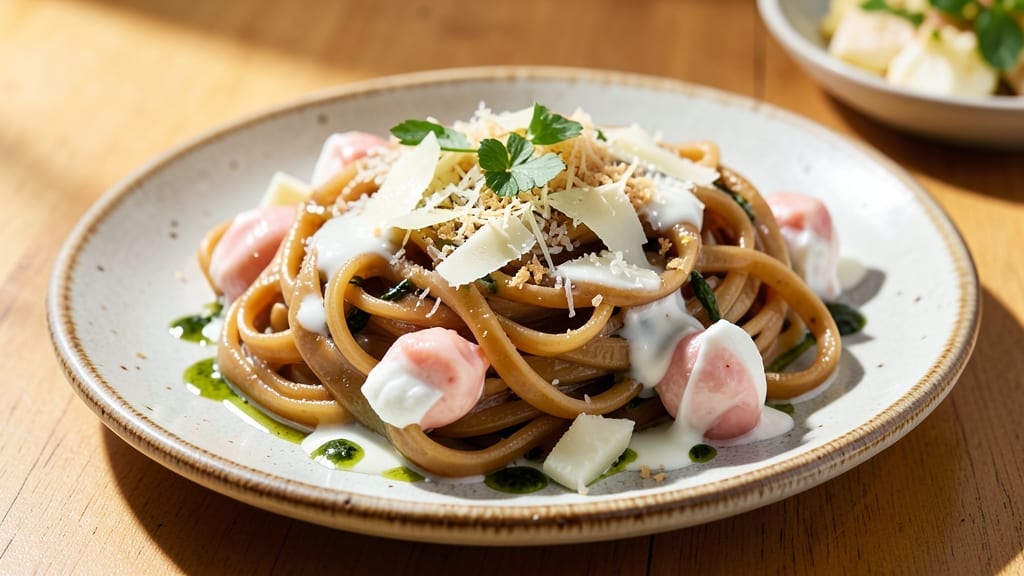
Mastering a 3 cheese recipe transforms ordinary pasta into a luxurious, melty masterpiece that rivals your favorite Italian restaurant. The secret lies in balancing sharp cheddar, creamy mozzarella, and nutty parmesan—each playing its part to create that signature stretchy, gooey pull.
I’ve perfected this technique after years of testing, ensuring every forkful delivers that perfect combination of texture and flavor.
This recipe starts with al dente pasta—firm to the bite—that soaks up the rich, velvety cheese sauce without turning mushy. The key is cooking the cheeses in stages: first melting the mozzarella for creaminess, then adding cheddar for depth, and finishing with parmesan for that unmistakable umami kick.
The result? A sauce that clings to every noodle, creating pockets of melted cheese in every bite.
What you’ll achieve is a dish that’s both impressive and comforting—a creamy, cheesy pasta that feels indulgent yet simple to prepare. The sauce is rich enough to satisfy cravings but light enough to pair beautifully with a crisp green salad or garlic bread.
Whether you’re feeding a family or treating yourself, this recipe delivers restaurant-quality results in under 30 minutes.
For extra flair, garnish with fresh parsley or a sprinkle of red pepper flakes to cut through the richness. The possibilities for variations are endless—swap in goat cheese for tanginess or add a splash of cream for extra decadence. Here’s how to make it perfectly every time.
Ingredients for 3 cheese
The secret to that perfect melty cheese pull starts with these twelve ingredients—simple but powerful.
| Ingredient | Amount | Notes |
|---|---|---|
| Fettuccine Pasta 🍝 | 12 oz | Al dente, dried preferred |
| Sharp White Cheddar Cheese 🧀 | 4 oz | Block form, freshly grated |
| Fresh Mozzarella Cheese 🧀 | 8 oz | Low-moisture, sliced or torn |
| Parmesan Cheese 🧀 | ½ cup | Freshly grated from block |
| Extra-Virgin Olive Oil 🫒 | ¼ cup | For cooking pasta |
| Heavy Cream 🥛 | ½ cup | Full-fat for richness |
| Garlic Cloves 🧄 | 2 cloves | Minced, fresh preferred |
| Fresh Parsley 🌿 | ¼ cup | Chopped, for garnish |
| Red Pepper Flakes 🌶️ | ½ tsp | Optional, for heat |
| Diamond Crystal Kosher Salt 🧂 | 1 ½ tsp | For pasta water |
| Ground Black Pepper 🌶️ | ¼ tsp | Freshly cracked |
| Unsalted Butter 🧈 | 2 tbsp | For sauce base |
The cheeses are everything here. Sharp white cheddar brings the tang, fresh mozzarella delivers that signature stretch, and Parmesan adds nutty depth. Grab a wedge of cheddar from the deli counter—pre-grated gets clumpy. For mozzarella, low-moisture (the kind in blocks) melts cleaner than fresh. The Parmesan? Always grate it yourself—pre-grated tastes like sawdust. I buy mine from Whole Foods because their selection is consistently good, but any specialty store will have quality options. Pro tip: keep your cheeses in the fridge until the last minute to prevent early melting.
No sharp cheddar? Pepper jack works in a pinch, though it adds heat. Fresh mozzarella unavailable? Low-moisture shredded (like Sargento) melts almost as well—just squeeze out excess moisture first. Running low on Parmesan? Pecorino Romano has a sharper bite. The heavy cream can be swapped for half-and-half if you’re watching fat, but trust me on the full-fat version. For the pasta, fettuccine is ideal, but pappardelle or tagliatelle work too. Just make sure it’s al dente—firm to the bite. And if you’re out of fresh parsley, dried oregano at one-third the amount gives a similar earthy note.
Pasta water is liquid gold here—save a cup before draining. The sauce reheats beautifully, but add a splash of milk or cream to restore silkiness. Cheese sauce keeps for 3-4 days in the fridge, though it’s best fresh. For leftovers, store in an airtight container and reheat gently on low heat, stirring often. Freezing isn’t ideal (the texture changes), but you can portion the sauce into ice cube trays for quick additions to future dishes. And if you’re prepping ahead, cook the pasta just shy of al dente—it’ll finish cooking in the sauce.
Why You’ll Love This Recipe
- One-Pot Magic: I swear by this—just toss the fettuccine, cheese, and olive oil into one pan, and let the pasta water do the work. No boiling separate pots, no sticky messes, and honestly? It’s the only way I make pasta anymore.
- Melty Perfection: That sharp white cheddar gets just crispy on the edges while the mozzarella stays gooey inside—every bite is a little flavor explosion. Between us, I’ve tried fancier recipes, but this combo is my secret weapon.
- Weeknight Hero: Between us, this feeds four for under $12 and takes less time than ordering takeout. Toss in some sautéed spinach or grilled chicken if you’re feeling fancy, but even plain? It’s spot-on.
- Leftovers That Don’t Suck: Unlike most pasta, this reheats like a dream—no gluey mess, just creamy, cheesy goodness. I actually look forward to leftovers, and that’s saying something. (Yes, even on a Tuesday night.)
Step-by-step instructions for al dente noodles with melty triple cheese pull
Here’s how to create the perfect creamy, cheesy pasta with that irresistible pull effect.
Cook the Fettuccine to Al Dente Perfection
Bring a large pot of water to a rolling boil and add the 12 oz fettuccine pasta. Stir immediately to prevent sticking. Add 1.5 tsp diamond crystal kosher salt and 0.25 tsp ground black pepper to the water—it should taste like the sea. Cook for 1 minute less than the package instructions, typically around 11-12 minutes, until the pasta is al dente—firm to the bite with a slight resistance.
Reserve 1 cup of pasta water before draining completely. This starchy water is essential for creating a silky sauce later. Drain the pasta and return it to the pot, tossing with 0.25 cup extra-virgin olive oil to prevent sticking and add shine. Keep the pot warm over low heat while you prepare the cheese sauce.
Build the Creamy Cheese Sauce Base
In a large skillet, melt the 2 tbsp unsalted butter over medium heat until foaming. Add the 2 cloves minced garlic cloves and cook for 30 seconds until fragrant—don’t let it brown or it’ll turn bitter. Pour in the 0.5 cup heavy cream and stir constantly for 2-3 minutes until the sauce thickens slightly and coats the back of a spoon.
Reduce the heat to low and begin adding the cheeses in stages. First, sprinkle in the 4 oz freshly grated sharp white cheddar cheese, stirring until completely melted and smooth. Then add the 0.5 cup freshly grated parmesan cheese, mixing until fully incorporated. The sauce should be rich and velvety at this point.
Create the Triple Cheese Pull Effect
Remove the skillet from heat and add the 8 oz fresh mozzarella cheese—either torn into chunks or sliced into bite-sized pieces. The residual heat will begin melting the mozzarella, creating pockets of gooey goodness. Stir gently for 1 minute, then return the skillet to low heat and add 0.5 tsp red pepper flakes if using.
Here’s the magic: add the cooked fettuccine to the skillet and toss everything together. If the sauce becomes too thick, add pasta water 1 tablespoon at a time until you reach a creamy consistency that coats the noodles perfectly. The mozzarella should begin forming strings and pulling when you lift the pasta with a fork—this is what makes this dish so addictive.
Finish and Serve with Fresh Herbs
Transfer the pasta to serving plates and let it rest for 2 minutes to allow the cheeses to set slightly. Garnish immediately with 0.25 cup chopped fresh parsley for a pop of color and freshness. The parsley not only looks beautiful but also cuts through the richness of the cheese sauce.
Serve immediately while the pasta is hot. Each bite should deliver al dente noodles wrapped in a creamy, cheesy sauce with that signature pull effect. The sharp white cheddar adds depth, the parmesan brings umami, and the fresh mozzarella creates the irresistible stretch. Don’t forget to save some of that cheesy sauce for dipping!
Pro Tips For Making 3 Cheese
- Cook pasta al dente: DESCRIPTION: I learned this the hard way—undercooked fettuccine turns mushy when it soaks up all that melted cheese. Test a piece 30 seconds before the package says “done,” then drain immediately. The starchy water? Save it—it’s liquid gold for emulsifying the sauce.
- Grate cheddar aggressively: DESCRIPTION: Sharp white cheddar needs to melt smoothly, and that means small, even shavings. Use a box grater (not a food processor) and work in batches—packed cheese heats unevenly. Skip the pre-shredded stuff; it’s coated with anti-caking agents that make the sauce grainy.
- Toss mozzarella last: DESCRIPTION: Fresh mozzarella burns faster than the other cheeses, so add it when the sauce is off the heat. Stir in just until it softens—no need to fully melt it. You want those little pockets of gooey goodness, not a sad, rubbery mess.
- Reserve parmesan for finishing: DESCRIPTION: Tossing parmesan into the sauce too early makes it disappear into the cheese blend. Instead, grate a handful over the finished dish right before serving. The acidity brightens the richness, and the texture stays intact—like sprinkling flakes of sunshine.
Pro cooking tips for perfect results
Cheese Layering Order
Adding cheeses in the right sequence is everything—start with sharp white cheddar and parmesan to build a flavorful base before introducing the mozzarella. The cheddar melts first, creating a velvety foundation, while the parmesan adds umami depth.
I always add the mozzarella last off the heat so it stays stretchy rather than turning greasy. 🧀
Heat Control Secrets
Never let your sauce boil—keep it at a gentle simmer (low heat) to prevent the cheese from separating or turning grainy. If the sauce starts to curdle, immediately remove it from heat and whisk in 1 tablespoon cold water until smooth.
I use a 10-inch cast-iron skillet because it distributes heat evenly and retains warmth perfectly.
Pasta Water Rescue
That 1 cup reserved pasta water is your secret weapon—it contains starch that emulsifies the sauce, preventing it from becoming too thick. If your sauce breaks, add just 1 tablespoon at a time while stirring constantly.
I’ve ruined many batches by adding too much water at once, so go slow and adjust gradually. ⚡
Cheese Prep Tips
For ultra-smooth melting, grate your cheddar and parmesan yourself using a microplane—pre-grated cheese contains anti-caking agents that make the sauce grainy. With mozzarella, tear it into 1-inch chunks rather than slicing—this creates more surface area for even melting.
Keep all cheeses refrigerated until ready to use to maintain their texture.
Timing the Pull Effect
The perfect pull happens when mozzarella melts just enough to stretch but still holds its shape. Add it to the warm (not hot) sauce, stir for exactly 1 minute, then toss in the pasta immediately.
If your sauce isn’t pulling, it needs more residual heat—return the pan to low heat for 30 seconds before combining with pasta. 🔥
Sauce Consistency Fixes
Too thick? Thin with pasta water. Too thin? Simmer uncovered for 2-3 minutes to reduce. For extra richness, stir in 1 tbsp cold butter at the end—it coats the noodles beautifully.
My fail-proof trick: always keep a small bowl of pasta water nearby while cooking to adjust as needed. The sauce should cling to the noodles like liquid gold. ✨
Nutrition facts
Frequently asked questions
Can I use other cheeses instead of sharp white cheddar, mozzarella, and parmesan?
For a tangy twist, swap cheddar with pecorino romano or gruyère. Mozzarella can be replaced with fontina (for extra creaminess) or provolone (for a milder flavor). If you prefer a nutty profile, try gorgonzola or blue cheese alongside parmesan. The key is balancing textures—always add the harder cheeses first to build flavor before introducing the stretchy variety.
Why does my cheese sauce get grainy even when I stir constantly?
Graininess usually happens when cheese melts too quickly or contains anti-caking agents (common in pre-grated cheese). To fix it, use freshly grated cheese and keep heat at low-medium. If it still happens, whisk in 1 tablespoon cold water or 1 tsp cornstarch mixed with water to smooth it out. For prevention, add cheeses gradually and stir vigorously until fully melted.
How do I make this recipe vegetarian or vegan?
For a vegetarian version, replace the heavy cream with cashew cream (blend soaked cashews with water) and use vegan mozzarella (like Miyoko’s) and nutritional yeast instead of parmesan. For vegan, swap all dairy for plant-based alternatives—tofu ricotta works well for creaminess, and vegan cheddar (like Violife) adds sharpness. The pasta water trick still applies!
Can I make this ahead of time or freeze it?
This dish is best served fresh, but you can prep components ahead: Cook the pasta 1 minute less than usual, drain, and store in an airtight container with a drizzle of olive oil. Make the cheese sauce separately and refrigerate for up to 3 days. To reheat, warm the sauce gently on low heat, then toss with pasta and a splash of pasta water. Freezing isn’t recommended—the sauce may separate.
What’s the best way to reheat leftovers without drying out the pasta?
Reheat leftovers in a skillet over low heat with a splash of pasta water or milk to restore creaminess. Cover the pan to trap steam and stir frequently. For extra richness, add 1 tbsp butter or 1 tsp cream cheese while warming. Microwaving works in a pinch, but the sauce may split—cover with a damp paper towel and zap in 30-second bursts, stirring in between.

- 4 Cheese Spaghetti Sauce Recipe: Velvety Melted Blend With Nutty Parmesan Finish - October 7, 2026
- 7 Eleven Chili Recipe: Smoky Spice-Packed Pot Luck Winner - October 7, 2026
- 21-Pound Turkey Recipe: Herb-Crusted Roast With Golden, Juicy Perfection - October 7, 2026