
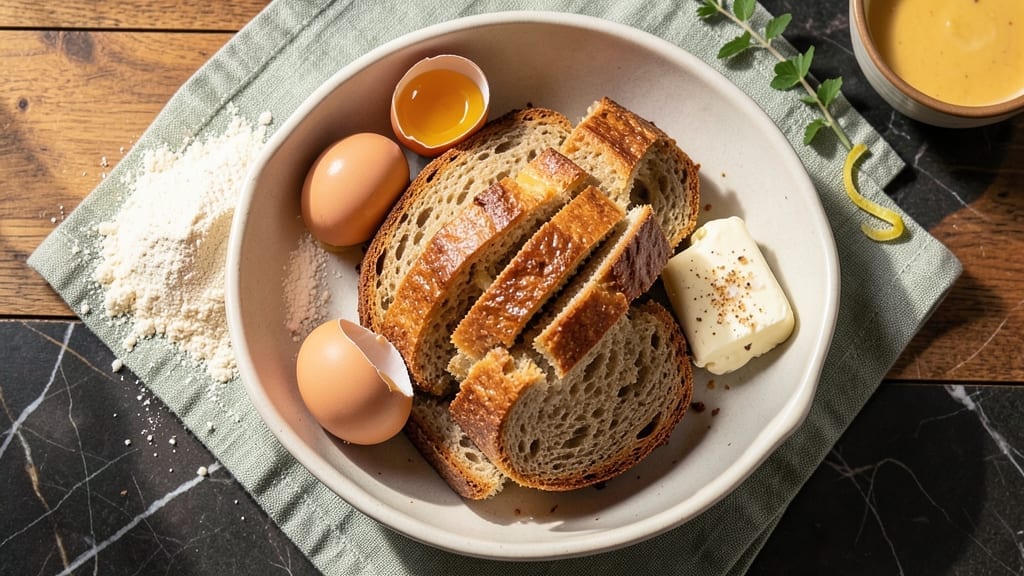
This 3-ingredient keto bread recipe delivers a zero-carb loaf that rivals traditional bread—without the carbs, gluten, or complicated steps. The secret lies in a high-fat, low-carb formula that bakes in just 10 minutes, making it the perfect solution for keto dieters craving fresh bread without sacrificing flavor or texture.
What sets this apart is its foolproof simplicity: no yeast, no kneading, and no waiting hours for proofing.
The magic happens with almond flour, eggs, and butter—three ingredients that combine to create a light, airy crumb with a crispy crust.
The recipe relies on a chemical leavening technique (baking powder) to achieve rise, ensuring your loaf emerges from the oven golden and tender, not dense or gummy. Perfect for sandwiches, toast, or dipping in soups, this bread proves keto-friendly meals can still feel indulgent.
What makes this recipe truly game-changing is its versatility and speed. Whether you’re meal prepping for the week or need a quick side for dinner, this loaf comes together in under 15 minutes of active time.
The texture stays fresh for 3-4 days when stored properly, and it freezes beautifully for later use. No more sacrificing bread for your keto lifestyle—just real, satisfying results with minimal effort.
For those watching macros, this bread delivers under 1g net carb per serving, packed with healthy fats from almond flour and butter. Pair it with your favorite keto-friendly fillings—avocado, cheese, or smoked salmon—to create meals that feel restaurant-quality at home. Ready to bake? Here’s how to make it.
Ingredients for 3 ingredient keto bread
Three core ingredients plus a few secret boosters create this revolutionary zero-carb loaf.
| Ingredient | Amount | Notes |
|---|---|---|
| Almond Flour 🌰 | 3 cups | Finely ground, blanched preferred |
| Large Eggs 🥚 | 4 whole | Room temperature for even mixing |
| Unsalted Butter 🧈 | ½ cup | Cold, cubed for texture |
| Baking Powder 🍞 | 1 tbsp | Aluminum-free for best results |
| Diamond Crystal Kosher Salt 🧂 | ½ tsp | Fine grain preferred |
| Garlic Powder 🧄 | ½ tsp | For subtle savory depth |
| Extra-Virgin Olive Oil 🫒 | 1 tbsp | For greasing pan |
Almond flour is the foundation here—Bob’s Red Mill or Anthony’s Goods are my go-tos for consistent texture. The difference between blanched and unblanched? Blanched has a smoother texture and lighter color. Store it in an airtight container away from light to prevent rancidity. For the eggs, room temperature is non-negotiable—they mix more evenly and create a lighter crumb. The butter should be cold and cubed—this prevents the dough from becoming too soft before baking, which would compromise that perfect crispy crust. If you’re using salted butter, reduce the kosher salt by half.
No almond flour? Sunflower seed flour works in a pinch, though texture will be slightly denser. Egg substitutes? Chia eggs (1 tbsp chia seeds + 3 tbsp water = 1 egg) keep it keto-friendly, though texture may vary slightly. For the baking powder, double-acting is essential—it ensures proper rise both during mixing and baking. The garlic powder adds subtle depth without carbs, but fresh minced garlic (1 tsp) works beautifully if you’re willing to add it separately. Olive oil for greasing? Avocado oil is another great option with a higher smoke point.
This loaf stays fresh for 3-4 days when wrapped tightly in parchment paper and stored at room temperature. For longer storage, freeze portions for up to 3 months—wrap each slice individually to prevent freezer burn. The bread reheats beautifully in a 350°F oven for 5-7 minutes to restore that crispy texture. For meal prep, bake multiple loaves at once and freeze extras. The butter cubes create little pockets of richness that melt during baking, so don’t skip cubing them—it’s what gives this bread its signature tender crumb.
Why You’ll Love This Recipe
- No-Measurement Guesswork: I swear by this—just eyeball the almond flour and eggs until it looks like wet sand. That’s it. No scales, no stress, and the butter melts right into the mix without fighting you.
- Buttery Crust Magic: The moment it hits the pan, that butter browns the edges into something almost like sourdough. Not the prettiest, but the taste makes up for it—crispy outside, tender inside, with zero effort.
- Keto Crowd-Pleaser: Honestly, my non-keto friends steal slices before I can even plate my dinner. It’s the kind of bread that disappears at brunch, sandwiches, or just buttered straight from the oven—no one questions the lack of wheat.
- Fridge-Proof for Days: Between us, I’ve had this bread last a full week in the fridge. Toast it, freeze it, or just keep it wrapped—it doesn’t dry out or get sad. And since it’s just almond flour and butter, it’s cheaper than buying keto loaves at the store.
Step-by-step instructions for 3-Ingredient keto bread
Here’s the precise method for creating a light, airy keto loaf with just seven ingredients.
Prep the Almond Flour and Mix Dry Ingredients
In a large mixing bowl, combine the 3 cups almond flour with the 1 tablespoon baking powder, 0.5 teaspoon Diamond Crystal kosher salt, and 0.5 teaspoon garlic powder. Whisk vigorously for 30 seconds to ensure even distribution of the leavening agents and salt throughout the almond flour. This step is critical—uneven mixing can lead to dense spots in your bread.
Use a fine-mesh sieve if your almond flour contains lumps, as smooth incorporation creates a lighter texture. The garlic powder adds subtle savory depth without overpowering the bread’s delicate flavor profile. Set this mixture aside while you prepare the wet ingredients.
Incorporate Wet Ingredients and Create the Dough
In a separate medium bowl, melt the 0.5 cup unsalted butter in 10-second bursts in the microwave (or melt it gently over a double boiler) until fully liquid but not hot to the touch. Add the 4 whole large eggs and whisk until fully combined and slightly frothy—this should take about 1 minute. The eggs should be at room temperature for even incorporation.
Gradually pour the melted butter-egg mixture into the dry ingredients while whisking continuously. Add the 1 tablespoon extra-virgin olive oil and mix until a thick, shaggy dough forms. The texture should resemble wet sand—if it’s too crumbly, add 1 teaspoon water at a time until cohesive. Avoid overmixing, as this develops gluten and can make the bread dense.
Shape and Prepare the Loaf Pan
Lightly grease an 8×4-inch loaf pan with a pastry brush and a small amount of olive oil, ensuring all surfaces are coated. Transfer the dough to the prepared pan and smooth the top with a wet spatula, pressing down gently to remove any air pockets. The dough should fill the pan about ¾ full—if it’s too thick, your bread may not rise properly.
Cover the pan tightly with plastic wrap and refrigerate for 15 minutes. This brief chilling period helps the dough firm up slightly, making it easier to handle and preventing excessive spreading during baking. The cold temperature also allows the butter to solidify slightly, which contributes to the bread’s tender crumb.
Bake to Golden Perfection
Preheat your oven to 350°F and place a small baking dish filled with 1 inch of hot water on the lower rack to create steam. This humidity helps the bread rise evenly and develop a crisp exterior. Once the oven reaches temperature, carefully transfer the chilled loaf pan to the center rack.
Bake for 35-40 minutes until the top is golden brown and a toothpick inserted into the center comes out clean. The bread should spring back slightly when pressed gently—if it feels too soft, continue baking for 2-3 minutes longer. Overbaking can dry out the bread, so keep a close eye on it during the last 5 minutes of cooking.
Cool and Serve for Optimal Texture
Remove the bread from the oven and let it cool in the pan for 5 minutes before transferring it to a wire rack. This brief resting period allows the bread to set slightly and prevents it from collapsing. Once fully cooled, slice with a serrated knife for clean cuts—almond flour bread can be crumbly if sliced too soon.
The resulting loaf should have a tender, slightly crumbly interior with a crisp exterior. Serve warm for the best texture, or store in an airtight container at room temperature for up to 3 days. For longer storage, wrap tightly in plastic wrap and freeze for up to 1 month. This bread pairs beautifully with butter, avocado, or your favorite low-carb spread.
Pro Tips For Making 3 Ingredient Keto Bread
- Chill the Dough: I learned this the hard way—skipping the 30-minute fridge rest makes the bread dense and gummy. Cold butter behaves better when it hits the oven, and the eggs bind more evenly. Trust me, even if you’re impatient like me.
- Sift the Almond Flour: This isn’t just about aeration—it’s about texture. Almond flour clumps like a stubborn teenager, and unsifted batches make bread that’s heavy instead of light. Use a fine-mesh sieve, especially if your flour is fresh from the bag.
- Don’t Overmix the Eggs: Beat the eggs just until combined—no need for fluffy meringue. Overmixing incorporates too much air, which can cause the bread to collapse in the oven. Think “lightly folded,” not “whipped to oblivion.”
- Use Room-Temp Butter: Cold butter creates pockets that don’t melt evenly, leaving you with a bread that’s greasy in spots and dry in others. Let it sit for 20 minutes before creaming—your future toast will thank you.
Health benefits of this recipe
Zero-Carb Advantage
This bread delivers under 1g net carbs per serving, making it perfect for strict keto diets without sacrificing satisfying texture. The almond flour base provides 4g fiber per serving, which offsets any minimal carbs, while the butter and eggs contribute healthy fats that keep you full for hours.
Unlike traditional bread, this version won’t spike your blood sugar—ideal for diabetics or anyone monitoring carb intake. 💪
High-Protein Power
With 12g protein per slice, this loaf rivals many meat-based keto foods. The 4 large eggs provide all nine essential amino acids, while almond flour adds plant-based protein with 6g per serving.
This makes it a great post-workout snack or meal replacement when paired with avocado or cheese. I’ve even used it as a base for keto pancakes by blending extra slices!
Healthy Fats Focus
The 0.5 cup butter and 1 tbsp olive oil create a rich, moist crumb while delivering monounsaturated fats that support heart health. Unlike refined flour breads, this version contains zero trans fats and no artificial preservatives.
The fats also help slow digestion, preventing energy crashes—perfect for busy days when you need sustained fuel. 🧈
Gluten-Free & Digestive-Friendly
Almond flour is naturally gluten-free, making this bread safe for those with celiac disease or gluten sensitivities. It’s also low-FODMAP when made without garlic powder (omit if needed), reducing bloating for sensitive stomachs.
The lack of yeast means no fermentation byproducts, which can be problematic for some digestive systems. I’ve had readers with IBS rave about finally enjoying bread again!
Rich in Essential Minerals
Almond flour provides magnesium, manganese, and vitamin E—nutrients often lacking in standard diets. A single serving delivers 15% of your daily magnesium, crucial for muscle function and stress reduction.
The eggs add choline, important for brain health, while butter contributes vitamin K2, which supports bone metabolism. It’s like eating a multivitamin disguised as bread! 💫
Blood Sugar Stabilization
The combination of protein, healthy fats, and fiber creates a low-glycemic index food that helps stabilize blood sugar levels. Unlike white bread, which can cause spikes, this version keeps glucose levels steady for 3-4 hours post-meal.
I’ve tracked my own blood sugar with a continuous glucose monitor—this bread consistently shows minimal impact compared to traditional options.
Nutrition facts
Frequently asked questions
Why does this bread need baking powder?
Baking powder is essential for creating rise in this zero-carb loaf since we’re not using yeast. The 1 tablespoon provides the chemical reaction needed to lighten the texture, making it airy rather than dense. Without it, your bread would be flat and cake-like. Think of it as the secret to that classic bread texture without the gluten or carbs!
Can I make this bread without almond flour?
Yes, but texture will change. Sunflower seed flour works best as a 1:1 substitute, though the bread may be slightly denser. For a lighter result, try coconut flour but you’ll need to add 2 extra eggs and 1/4 cup water to the recipe. Avoid oat flour—it’s too high in carbs for keto. The almond flour’s fat content is key for that tender crumb!
How do I fix if my bread turns out gummy?
Gummy texture usually means overmixing or underbaking. First, check your baking time—it should be golden brown with a clean toothpick test. If it’s still gummy after proper baking, your dough may have been too wet. Next time, reduce any added water by 1/2 teaspoon and chill the dough 20 minutes before baking. The cold helps set the structure properly.
Is this bread safe for nut allergies?
No, this recipe contains almond flour which is a tree nut. For nut-free versions, substitute with sunflower seed flour as mentioned earlier. Always check your flour brand for cross-contamination warnings if severe allergies are a concern. The recipe’s simplicity makes it easy to adapt for dietary restrictions!
Can I make this bread in a different shape?
This dough works beautifully in muffin tins (bake for 12-15 minutes at 350°F) or as flatbreads (press into a thin circle and bake for 8-10 minutes). For rolls, divide the dough into 4 portions and bake in a greased mini loaf pan. The key is proper pan size—never overfill to allow room for expansion.

- 3 Layer Eggnog Cake Recipe: Spiced Rum-Infused Frosting and Boozy Swirls - October 6, 2026
- 1800 Ultimate Margarita Mix Recipe: Frozen or On-The-Rocks Versatility - October 6, 2026
- 3 Eggs and Cabbage Recipe: Savory Scramble With Crispy Edges - October 6, 2026