
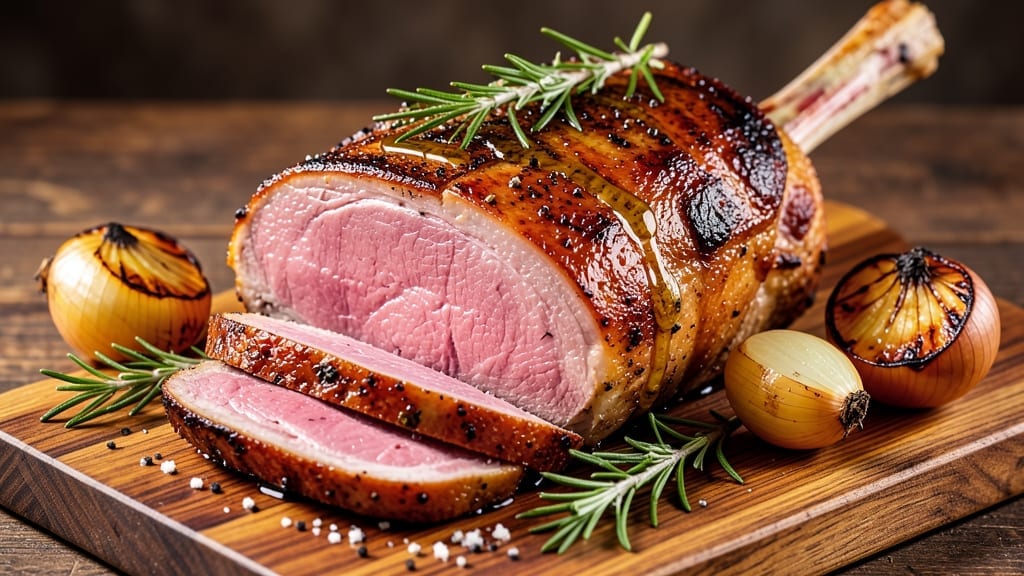
A 3-pound standing rib roast cooked to juicy, pink-centered perfection transforms any dinner into a showstopping centerpiece. This reverse-seared method ensures tender meat with a caramelized crust, while precise temperature control guarantees that 130–135°F internal temp for medium-rare.
The secret lies in low-and-slow roasting followed by a high-heat sear—no guesswork, just foolproof results every time.
What sets this recipe apart is the balance of simplicity and technique: just salt, pepper, and patience. The roast rests uncovered in the oven until the core reaches the perfect temperature, then finishes with a quick sear in a screaming-hot pan for that coveted crust.
No dry, overcooked meat here—just melt-in-your-mouth tenderness with a deep, beefy flavor that’ll have everyone asking for seconds.
The result? A juicy, pink-centered roast with a rich, caramelized exterior that slices effortlessly for dramatic presentation. Pair it with roasted garlic mashed potatoes or a crisp green salad to round out the meal. This isn’t just dinner—it’s an experience that elevates your cooking game without the fuss.
Ready in about 3 hours (plus resting time), this recipe delivers restaurant-quality results at home. The key is confidence in the process—trust the thermometer, resist the urge to overcook, and let the meat shine. Let’s get started on a roast that’ll impress even the toughest critics.
Ingredients for 3 pound standing rib roast
Six essential ingredients and precise technique deliver a showstopping rib roast with melt-in-your-mouth tenderness.
| Ingredient | Amount | Notes |
|---|---|---|
| Standing Rib Roast (bone-in) 🥩 | 3 lb | Center-cut, 1.5-inch thick |
| Kosher Salt 🧂 | 1 ½ tsp | Diamond Crystal preferred |
| Freshly Ground Black Pepper 🌶️ | 1 tsp | Coarse grind for texture |
| Extra-Virgin Olive Oil 🫒 | 2 tbsp | For searing, high smoke point |
| Yellow Onion 🧅 | 1 whole | Peeled, quartered for garnish |
| Fresh Rosemary 🌿 | 2 sprigs | Thick stems for skewering |
| Fresh Thyme 🌿 | 2 sprigs | Leaves only, stems removed |
| Garlic Cloves 🧄 | 4 cloves | Smashed for aroma infusion |
| Unsalted Butter 🧈 | 4 tbsp | Cold, cubed for basting |
| Beef Tallow or Duck Fat 🥓 | 2 tbsp | For high-heat searing |
| Meat Thermometer 🌡️ | 1 whole | Instant-read, 0.5-inch probe |
The roast is the star, so prioritize quality. Center-cut standing rib roast ensures optimal fat distribution for juiciness. Look for bright red color and good marbling at Whole Foods Market or D’Artagnan for premium cuts. If shopping at a regular grocery store, check the butcher section for USDA Choice or Prime—avoid Select grade, which lacks sufficient fat. The thickness matters too: 1.5-inch ensures even cooking without drying out. Fresh herbs elevate the dish, so grab organic rosemary and thyme from the produce section—they hold up better during cooking.
Salt and pepper are non-negotiable for seasoning, but the real magic happens with the aromatics. Diamond Crystal kosher salt dissolves more easily than table salt, so use it for even seasoning. Freshly ground pepper adds texture, while smoked paprika at half the amount can deepen flavor if you prefer. For the sear, beef tallow or duck fat creates a richer crust than olive oil alone—substitute with ghee if needed. The butter should be cold and cubed for basting; don’t let it melt prematurely. If you’re short on time, pre-slice the onion and garlic while the roast cooks, but keep the herbs whole until the final basting.
This roast rewards patience—rest it uncovered on a cutting board for 30-45 minutes before slicing to retain juices. Store leftovers in an airtight container for 3-4 days, or freeze sliced portions for up to 3 months. For reheating, use low heat in a skillet with a splash of beef broth to restore moisture. The caramelized crust is delicate, so slice against the grain for maximum tenderness. Serve with roasted garlic mashed potatoes or a crisp white wine reduction to complement the rich beef flavors.
Why You’ll Love This Recipe
- I’ll be real: my slow cooker sees more action than my fancy oven dishes. This roast goes in at 325°F, sits while I chop veggies for the side salad, and comes out perfectly medium-rare. No rotisserie, no fancy gadgets—just a sheet pan, a thermometer, and a roast that feeds six without breaking the bank.
- Foolproof Seasoning: I swear by the salt-and-pepper crust here—just kosher salt and fresh grind pepper, rubbed in while the roast rests. No fancy marinades, no guesswork; that simple dry rub clings to the bone-in meat like it’s magnetized, turning the outside into a crackling, flavor-packed shield.
- Crowd-Pleasing Simplicity: Between us, this is the roast I pull out when my in-laws visit or the soccer team shows up. Slice the onion in half, drizzle with olive oil, and tuck it under the roast for 45 minutes—zero babysitting, zero stress. The aroma alone gets everyone at the table grinning before the first bite.
- Leftovers That Shine: Honestly, I make this on purpose to have leftovers. Thinly sliced the next day in sandwiches with caramelized onions? Yes. Tossed with pasta and a splash of red wine? Absolutely. The meat stays juicy and rich, so it’s not just “roast again”—it’s a whole new meal with zero extra effort.
Step-by-step instructions for reverse-seared standing rib roast
Master this technique for a roast with a perfectly browned crust and tender pink center every time.
Prep the Roast for Even Cooking
Remove the 3 lb standing rib roast from the refrigerator and let it sit at room temperature for 1 hour. This ensures even cooking throughout. Pat the roast dry with paper towels—moisture on the surface prevents proper browning and creates steam instead of a crust.
In a small bowl, combine the 1.5 tsp kosher salt and 1 tsp freshly ground black pepper. Rub this mixture all over the roast, including the bone side and any crevices. The coarse pepper adds texture while the salt enhances flavor penetration. Let the seasoned roast rest uncovered on a wire rack for 30 minutes before cooking.
Sear for Maximum Flavor Development
Preheat your oven to 275°F. In an oven-safe skillet, heat 2 tbsp extra-virgin olive oil and 2 tbsp beef tallow or duck fat over medium-high heat until shimmering. Place the roast in the skillet, bone-side down, and sear for 5 minutes until a deep golden crust forms.
Flip the roast and sear the other side for another 5 minutes. The fat should sizzle and pop, creating a rich, caramelized crust. Remove the skillet from the heat and transfer it to the preheated oven. This initial sear locks in juices and builds flavor through the Maillard reaction.
Low-Temperature Roast to Perfect Doneness
Roast the standing rib roast for 2 hours to 2 hours 15 minutes, or until the internal temperature reaches 120-125°F at its thickest point. Use the meat thermometer inserted horizontally through the thickest part of the roast, avoiding the bone. The roast should be tender but still slightly cool to the touch.
During this time, prepare the aromatics. In a small bowl, combine the peeled and quartered 1 whole yellow onion, 2 sprigs fresh rosemary, 2 sprigs fresh thyme, and 4 smashed garlic cloves. Tie them together with kitchen twine and place this bundle on top of the roast during the final 30 minutes of cooking to infuse the meat with their flavors.
High-Heat Finish for Crispy Perfection
Remove the roast from the oven and let it rest for 10 minutes while you prepare the finishing touch. Increase your oven temperature to 475°F. In a small bowl, melt the 4 tbsp unsalted butter until it becomes a liquid. Brush this melted butter generously over the roast, including the bone side.
Return the roast to the oven for 10-15 minutes until the butter browns and the internal temperature reaches 130°F. This final high-heat step creates a glossy, caramelized finish while keeping the interior juicy. The roast should have a deep golden crust and a pink center that’s just firm to the touch.
Rest and Slice for Maximum Juiciness
Transfer the roast to a cutting board and let it rest for 15-20 minutes before slicing. This resting period allows the juices to redistribute throughout the meat, ensuring each slice is moist and flavorful. Use the meat thermometer to confirm the internal temperature remains at 130°F—it will rise slightly during resting.
Slice the roast against the grain into ½-inch thick slices. Serve immediately with the pan juices strained and reduced if desired. The result is a roast with a beautifully browned exterior, a tender pink center, and rich, aromatic flavors from the herbs and butter finish.
Pro Tips For Making 3 Pound Standing Rib Roast
- SEAR IN TWO BATCHES: A 3-pound rib roast won’t fit flat in most pans—trust me, I’ve tried. Sear half the roast first, then flip and repeat. This gives you even browning without crowding, and the crust forms faster than you’d expect. (Yes, even if you’re impatient like me.)
- SALT THE ONION: Don’t just dice that onion—coat the chunks in kosher salt before searing. It caramelizes deeper and faster, adding a savory punch that cuts through the richness of the beef. I used to skip this, and the flavor was always just… fine.
- USE A MEAT THERMOMETER: Guessing doneness with a rib roast is how I ended up with a dry, overcooked disaster. Aim for 120–125°F for medium-rare—pull it early, it’ll rise to 130°F while resting. No thermometer? At least press the roast with your finger: it should feel like the base of your thumb when you press it.
- REST IT UNDER FOIL: The moment that roast hits the cutting board, cover it loosely with foil—this keeps it warm while the juices redistribute. I learned this the hard way when I sliced into it too soon and watched all the flavor run out. Give it a solid 10 minutes, no excuses.
Wine and beer pairings for 3 pound standing rib roast
Bold Red Wine Pairings
A rich, full-bodied Cabernet Sauvignon from Napa Valley is my go-to choice for this roast. Its dark fruit flavors—blackberry, plum, and a touch of vanilla from oak aging—mirror the beef’s caramelized crust and herbal notes.
Look for a vintage with 14-15% ABV and at least 2 years of aging to complement the dish’s depth. Serve slightly chilled (60-65°F) to enhance its structure against the roast’s fat. 🍷
Earthy Syrah for Contrast
For something more rustic, a Northern Rhône Syrah like Guigal’s Côte-Rôtie brings smoky, spicy complexity that plays beautifully with the roast’s rosemary and thyme. The peppery finish cuts through the richness, while its medium tannins stand up to the beef’s fat.
Decant for 30-45 minutes before serving to soften its edges. This pairing feels like a hug—warm, spicy, and deeply satisfying.
Crisp White Alternatives
If you prefer white wine, a Chardonnay from Burgundy or Sonoma with 12-13% ABV works surprisingly well. Choose one with minimal oak—look for terms like “unoaked” or “stainless steel” on the label.
The bright acidity and citrus notes cleanse your palate between rich bites, while its buttery texture (from careful lees contact) complements the roast’s butter finish. Serve at 50-55°F for optimal balance.
Beer Pairings for Bold Flavors
A Belgian Dubbel like Westmalle’s 8 or Rochefort 10 adds a malty, caramel sweetness that enhances the roast’s herbal aromatics. The alcohol content (7-8% ABV) cuts through the fat without overpowering, while the spiced notes (think vanilla, clove, and dark fruit) echo the roast’s seasoning.
For a lighter option, a German Helles Lager (like Weihenstephaner) provides crisp refreshment with subtle malt sweetness. 🍺
Cocktail Pairing: Red Wine Sangria
For a festive touch, serve a red wine sangria made with 75% Cabernet Sauvignon, 25% Pinot Noir, and fresh berries (raspberries, blackberries). Add 1 oz brandy per bottle and let it infuse for 2 hours before serving.
The fruity acidity brightens the meal, while the alcohol helps break down the beef’s fat. Garnish with a rosemary sprig to tie back to the roast’s seasoning.
Non-Alcoholic Options
For non-drinkers, a sparkling hibiscus tea (like Mexican agua de Jamaica) offers tart, cranberry-like notes that refresh the palate. Chill it thoroughly and serve in coupe glasses with a lemon twist.
Alternatively, a ginger-beer spritzer—mix ½ cup ginger beer with ½ cup sparkling water and a squeeze of lime—adds a zesty kick that balances the meal’s richness without alcohol.
Nutrition facts
Frequently asked questions
Why does the recipe call for a reverse-sear method?
The reverse-sear method ensures a perfectly pink center while creating a flavorful crust. Starting at 275°F allows the roast to cook evenly to 120-125°F internally, then finishing with a high-heat sear at 475°F develops that coveted caramelized exterior without overcooking the interior. This technique is especially important for thicker cuts like a 3 lb standing rib roast that needs both tenderness and texture contrast.
Can I cook this roast in a conventional oven instead of a convection oven?
Yes, but you may need to adjust the cooking time slightly. Convection ovens circulate hot air more efficiently, which helps with even cooking. In a conventional oven, check the internal temperature every 15 minutes starting at 2 hours—it might take 5-10 minutes longer to reach 120-125°F. The high-heat finish remains the same, so don’t worry about the final sear step.
What if my meat thermometer doesn’t have a probe thin enough for the roast?
Use a 0.5-inch probe inserted horizontally through the thickest part of the roast, avoiding the bone. If your thermometer has a thicker probe, gently press it into the meat without touching the bone—just aim for the center. The key is to monitor the internal temperature accurately; the bone itself doesn’t affect the reading if you’re careful with placement.
How do I know when the roast is done if I don’t have a meat thermometer?
For a medium-rare roast, press the thickest part gently with your finger—it should feel firm but still slightly soft, like pressing your thumb into the fleshy part of your palm. The internal temperature should be around 130°F when sliced. If you’re unsure, cut into a small section to check the color—it should be pink in the center with a slightly warm touch.
Can I make this roast ahead of time?
Cook the roast to 120-125°F internally, then let it cool completely before refrigerating in an airtight container. Reheat in a skillet over medium-low heat with a splash of beef broth until warmed through (165°F internally). For best results, slice before reheating to maintain moisture. The crust won’t be as crispy, but the meat will still be tender and flavorful.

- 8 Ounce Crab Cakes Recipe: Golden Crust With Luminescent Crab Hearts - October 12, 2026
- 1950’s Betty Crocker Banana Bread Recipe: Nostalgic Spice Swirls and Moist Crumb - October 12, 2026
- 2 Quart Homemade Ice Cream Recipe: Ultra Creamy Vanilla Bean Swirls - October 12, 2026