
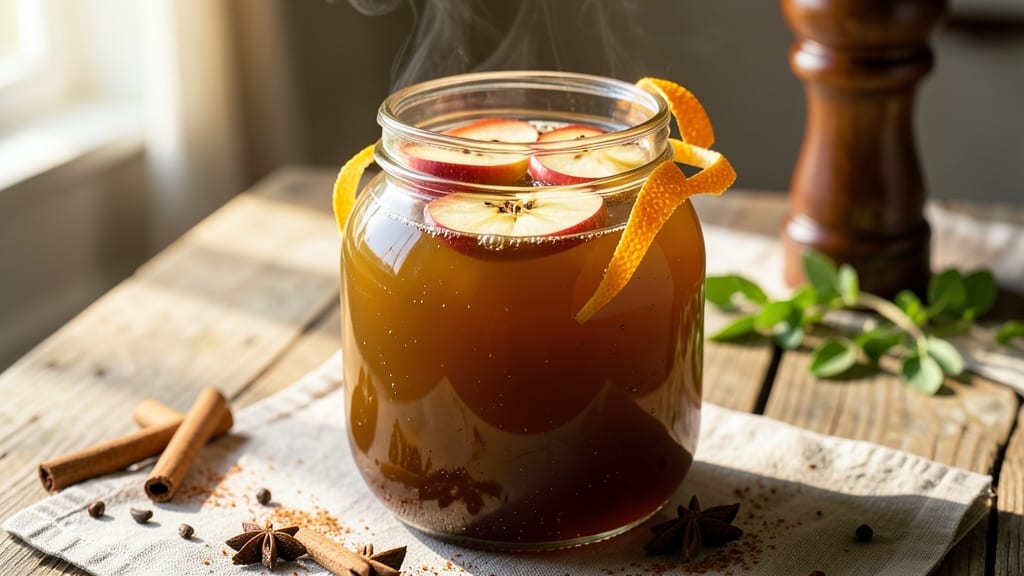
Making 5-gallon apple cider transforms crisp fall apples into a rich, aromatic beverage that captures the essence of harvest season. This recipe yields enough for family gatherings or neighborhood sharing, with a method that preserves every drop of apple flavor—no waste, just pure autumnal satisfaction.
The key lies in balancing sweetness and spice while maintaining a smooth, velvety texture that defines traditional cider.
What sets this recipe apart is its versatility—whether you prefer a non-fermented sipper or a lightly spiced batch, the base technique remains the same. We’ll use a mix of tart and sweet apples, simmered with cinnamon and cloves for warmth, then strained and bottled for freshness.
The process is straightforward, but the results are anything but ordinary: a drink that tastes like a crisp October afternoon.
By the time you’re done, you’ll have 5 gallons of golden cider ready to serve warm or chilled, with optional variations like ginger or orange peel for extra depth. The best part?
Every apple used contributes to the final product, from peels to cores, making this a truly sustainable treat. Let’s get started on creating your own batch of homemade cider.
This recipe works equally well for holiday celebrations or everyday sipping—just adjust the spice level to taste. Store properly, and your cider will stay fresh for weeks, ready to transport you back to orchard rows and bonfire nights. Here’s everything you need to make it happen.
Ingredients for 5 gallon apple cider
Ten pounds of apples plus simple pantry staples make this rich, spiced cider for sharing.
| Ingredient | Amount | Notes |
|---|---|---|
| Mixed Apples (Sweet and Tart Varieties) 🍎 | 10 lb | Use a mix like Fuji, Gala, Granny Smith |
| Water 💧 | 5 gallons | Filtered or spring water preferred |
| Granulated Sugar 🍚 | 2 cups | Adjust to taste for sweetness |
| Ground Cinnamon 🌿 | 2 tbsp | Freshly ground for best flavor |
| Whole Cloves 🌶️ | 6 whole | Lightly crushed for aroma |
| Orange Peel 🍊 | 1 whole | From 1 organic orange, no pith |
| Lemon Juice 🍋 | ¼ cup | Freshly squeezed for tang |
| Salt 🧂 | ½ tsp | Kosher or sea salt preferred |
| Optional Ginger 🌿 | 1 tbsp | Freshly grated for warmth |
Apples are the heart of this cider, so pick a mix of sweet and tart varieties—Fuji and Granny Smith work perfectly together. Hit up a local orchard in fall for the freshest, or grab a mix from the grocery store. Organic apples are ideal since their skins add flavor, but conventional works too. For a true zero-waste experience, use the peels and cores in the cider—just strain them out afterward. If you’re using pre-washed apples, give them a quick rinse before chopping. The more color variation in your apples, the more complex the final flavor.
No cinnamon sticks? Ground cinnamon is fine, but if you’ve got whole sticks, toast them lightly in a dry pan first for deeper aroma. Running low on cloves? Allspice berries work too—just use half the amount. The orange peel adds brightness, but if you’re out, lemon peel works in a pinch. For extra spice, add a dash of nutmeg or star anise. The ginger is optional but worth it—Trader Joe’s sells pre-grated ginger in tubes, which saves time. And if you’re making this ahead, prep the spices and citrus first—they’ll be ready to go when the apples are chopped.
This cider keeps beautifully—1-2 weeks refrigerated in glass bottles, or up to 3 months in the freezer. I like to portion it into 16-ounce bottles so it’s ready to serve. For a festive touch, add a cinnamon stick to each bottle before sealing. The cider tastes even better the next day as the flavors meld. If you’ve got extra apples, freeze the peels and cores in a bag—you can make another batch later without a trip to the store.
Why You’ll Love This Recipe
- Fridge-to-Pot Magic: I swear by this recipe because it turns whatever apples are lurking in my crisper into liquid gold—no fancy peeling or coring required. Just chop, simmer, and let the spices do their thing while I sip my coffee.
- Warm Spice Hug: That first sip? Pure autumn in a mug. The cinnamon and cloves dissolve into the sweet-tart apple base, giving it a cozy depth that tastes like a hug from your favorite baker.
- Party in a Jug: Serve it warm at a game day gathering or chilled in jars for a picnic—this recipe scales effortlessly. Between us, I’ve made it for everything from book club nights to my kid’s soccer team potluck.
- Zero-Waste Winner: Apples get bruised? Overripe? Toss them in here. The sugar balances the funk, and you’ll have enough to freeze batches for winter. Honestly, my freezer’s always stocked with this stuff.
Step-by-step instructions for crafting 5-Gallon apple cider
Here’s how to transform fresh apples into rich, aromatic cider with a perfect balance of sweetness and spice.
Prepare and Core the Apples
Start by thoroughly washing the 10 lb mixed apples under cold water to remove any dirt or wax. I like to work with a sharp apple corer or a sturdy paring knife to remove the cores and stems. Cut each apple into 4-6 equal wedges, leaving the skin on for maximum flavor and texture.
As you work, you’ll notice the tart varieties like Granny Smith will have more pronounced flavor than the sweeter apples. This balance is what creates that perfect cider profile. For efficiency, I arrange the apple wedges on a large cutting board and work in batches. Keep a bowl nearby to catch any juice that might escape during cutting.
Simmer the Apples and Water
In a large stockpot, combine the apple wedges with the 5 gallons of water. Bring the mixture to a gentle boil over medium-high heat, then immediately reduce to a low simmer. Let it cook uncovered for 45-60 minutes, stirring occasionally to prevent sticking. You’ll see the apples break down and release their juices, creating a fragrant, cloudy liquid.
I keep the lid slightly ajar during this stage to allow some steam to escape—this prevents the pot from overflowing as the apples release moisture. The aroma will fill your kitchen with that classic apple cider scent. Once the apples are completely soft and mushy, it’s time to strain out the solids.
Strain and Sweeten the Cider
Line a large colander with cheesecloth or a clean kitchen towel and place it over a clean stockpot or large bowl. Carefully pour the cooked apple mixture through the cloth, pressing gently on the solids to extract as much liquid as possible. This step is crucial—you want to capture every drop of that delicious apple essence.
Once you’ve strained all the liquid, return it to the stockpot and stir in the 2 cups of granulated sugar, 2 tbsp of ground cinnamon, and 6 whole cloves. If you’re using the optional 1 tbsp of grated ginger, add it now along with the 0.5 tsp of salt. Bring the mixture to a gentle simmer again, stirring until the sugar and spices are fully dissolved and the cider is well combined.
Add Citrus and Finalize the Flavor
Add the 1 whole orange peel and 0.25 cup of lemon juice to the simmering cider. The citrus will brighten the flavors and add a refreshing tang that cuts through the sweetness. Simmer gently for another 15-20 minutes, allowing all the spices to infuse and the flavors to meld together harmoniously.
Here’s where you can taste and adjust the sweetness. If you prefer it sweeter, add more sugar now—remember, you can always add more sweetness but you can’t take it away. The cider should have a perfect balance of apple flavor, warm spices, and citrus brightness. Once you’re happy with the taste, remove the orange peel and cloves.
Cool and Serve Your Homemade Cider
Let the cider cool to room temperature, then transfer it to a clean container or pitcher. For best results, refrigerate for at least 2 hours before serving. The chilled cider will have a beautiful amber color and a rich, aromatic scent that’s pure autumn in a glass.
Serve your cider warm with cinnamon sticks for garnish or chilled as a refreshing beverage. You’ll be amazed at how much better homemade cider tastes compared to store-bought versions. The process might seem long, but each step builds layers of flavor that make it absolutely worth the effort.
Pro Tips For Making 5 Gallon Apple Cider
- Peel Before Chopping: Apples oxidize fast—peel and core them first, then toss in cold water with a splash of lemon juice while you prep. I learned this the hard way after watching my cider turn brown mid-simmer.
- Simmer Slow and Deep: Don’t rush the heat—start medium-high to break down the apples, then drop to a gentle simmer (barely bubbles) for 45-60 minutes. Too hard a boil and you’ll scorch the sugar or make it taste harsh.
- Bag the Spices: Wrap cinnamon and cloves in cheesecloth or a clean kitchen towel before adding them to the pot. Trust me, fishing out stuck cloves later is a mess you don’t need.
- Strain Twice: After simmering, strain through a fine-mesh sieve first, then a coffee filter or clean towel for ultra-smooth cider. The extra step removes grit and makes it look (and taste) like you spent all day on it.
Creative variations of this dish
Spiced Winter Twist
Add 1 star anise pod and ½ tsp cardamom to the simmering cider for a Nordic-inspired flavor. These spices add earthy depth that pairs beautifully with the apple’s natural sweetness.
I like to toast the spices lightly in a dry pan first to intensify their aroma before adding them to the pot. 🌟
Gingerbread Infusion
For a holiday version, steep 2 tbsp molasses and 1 tsp vanilla extract into the cider after simmering. The molasses adds a deep, caramel-like richness while vanilla rounds out the spices. Let it infuse for 10 minutes before straining. This variation tastes like a warm hug in a mug.
Apple Cider Sangria
Turn your cider into a festive sangria by adding 1 cup brandy or ½ cup bourbon per gallon after cooling. Toss in ½ cup sliced strawberries and ½ cup pitted cherries for a vibrant twist. Serve chilled with orange slices on the rim for a refreshing fall cocktail. 🍷
Herbal Apple Cider
Infuse the cider with 2 sprigs fresh rosemary and 1 sprig thyme during the final 15 minutes of simmering. These herbs add a piney, earthy note that contrasts beautifully with the sweet apples. Strain out the herbs before serving—this works especially well with tart apple varieties like Granny Smith.
Caramel Apple Version
For a dessert-inspired cider, add ½ cup caramel sauce (homemade or store-bought) to each gallon after cooling. Stir gently to combine, then serve with whipped cream and a sprinkle of cinnamon. This variation tastes like a liquid apple pie—perfect for cozy nights in. 🍯
Non-Alcoholic Sparkling Cider
For a festive non-alcoholic option, transfer the cooled cider to a large pitcher and add 1 bottle club soda per gallon. Stir gently and serve immediately over ice with fresh apple slices. The fizz adds a refreshing lift that’s perfect for summer gatherings or family parties. 🥤
Nutrition facts
Frequently asked questions
Can I make this apple cider without a large stockpot?
Use a large Dutch oven or even a slow cooker on high heat. For a Dutch oven, you might need to work in batches if it’s smaller than 8 quarts. Slow cookers work well too—just monitor the heat to prevent overflowing. The key is maintaining a gentle simmer for the full 45-60 minutes to extract maximum flavor.
How do I store leftover apple cider?
Store your cider in glass bottles or jars in the refrigerator for up to 1-2 weeks. For longer storage, freeze it in 16-ounce portions—leave 1-inch headspace to prevent cracking. Thaw overnight in the fridge. Pro tip: Add a cinnamon stick to each bottle before sealing for extra aroma.
What if my cider tastes too tart?
Simply add more sugar to taste while the cider is warm—start with ½ cup and stir well. If it’s still too tart after cooling, you can add a splash of apple juice or simple syrup (equal parts sugar and water, heated until dissolved). Remember, you can always sweeten, but you can’t remove tartness once it’s there.
Can I use frozen apples instead of fresh?
Frozen apples work in a pinch, but they won’t have the same depth of flavor. Thaw them first, then drain excess liquid before using. For best results, stick with fresh apples—their skins and cores contribute the most flavor and texture to the final product. If you must use frozen, add 1 extra tbsp of cinnamon to compensate for the milder taste.
How can I make this cider fermented?
To ferment, add ½ cup of cider yeast (like EC-1118) to each gallon of cooled cider. Transfer to sanitized glass jars, leaving 1-inch headspace, then seal with airlocks. Ferment at 68-72°F for 1-2 weeks, then bottle with priming sugar for carbonation. Always use proper sanitation to prevent contamination.

- 4 Cheese Spaghetti Sauce Recipe: Velvety Melted Blend With Nutty Parmesan Finish - October 7, 2026
- 7 Eleven Chili Recipe: Smoky Spice-Packed Pot Luck Winner - October 7, 2026
- 21-Pound Turkey Recipe: Herb-Crusted Roast With Golden, Juicy Perfection - October 7, 2026