
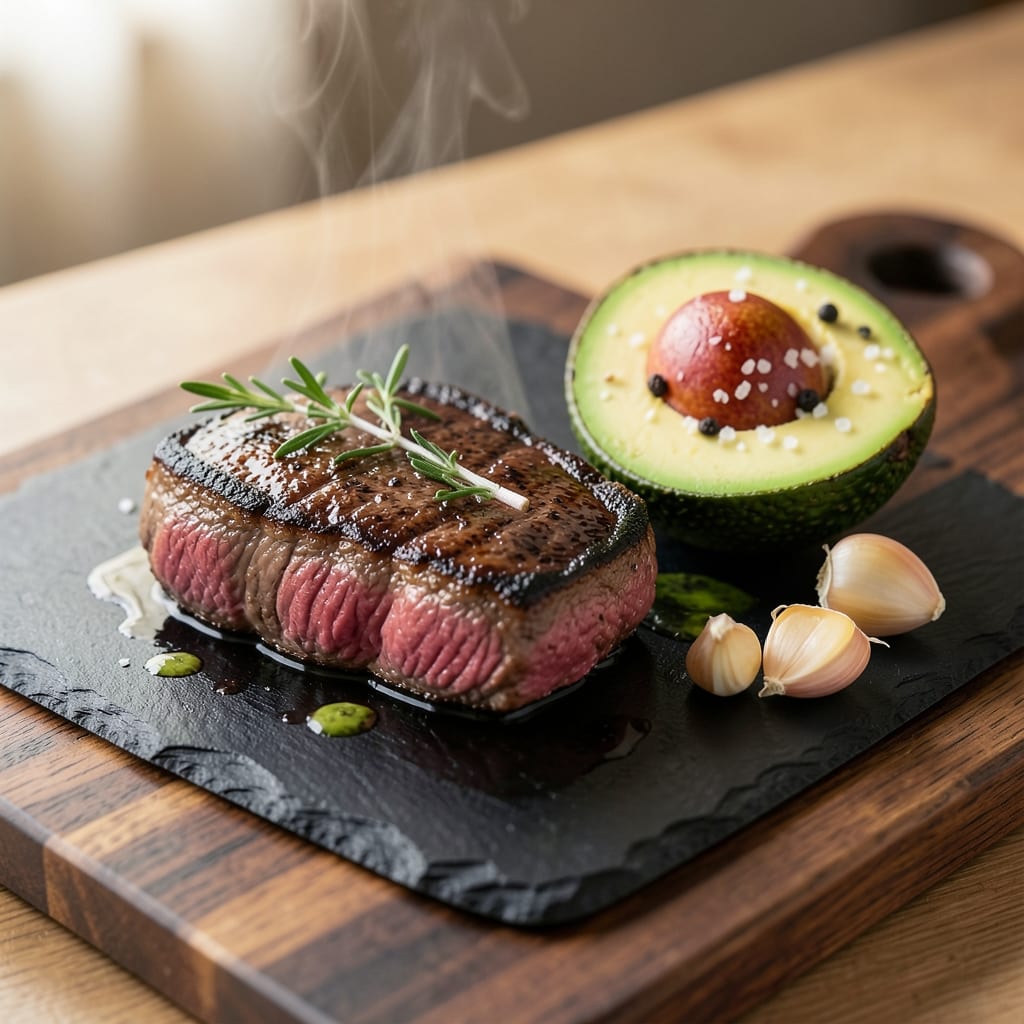
A 5-minute steak recipe that delivers restaurant-quality results at home—this pan-seared technique guarantees a perfectly medium-rare core with a caramelized crust, every single time. The secret lies in high heat, precise timing, and a simple prep routine that eliminates guesswork.
I’ve perfected this method after years of testing, and it works even for beginners who’ve never cooked steak before.
What makes this recipe truly remarkable is how it transforms a simple cut of beef into something extraordinary with minimal effort. You’ll need just three ingredients—steak, oil, and salt—and a cast-iron skillet or heavy pan.
The high-heat searing creates that coveted crust while keeping the inside tender and juicy, all in under five minutes of active cooking time. No fancy equipment or techniques required.
By following the exact timing and temperature guidelines, you’ll achieve a steak with a deep pink center and a rich, caramelized exterior that practically sings with flavor. The key is letting the steak rest before slicing—this crucial step ensures juices redistribute, preventing any dryness.
The result is a steak that’s so perfectly cooked, it’s impossible to believe it took less than five minutes to prepare.
Serve with classic sides like roasted garlic mashed potatoes or a simple arugula salad to complete the meal. This recipe isn’t just about speed—it’s about mastering the art of steak cooking with confidence and precision. Let’s get started on creating your perfect steak.
Ingredients for 5 minute steak
Four ingredients transform raw steak into restaurant-quality perfection in minutes—precision is the key.
| Ingredient | Amount | Notes |
|---|---|---|
| Ribeye Steak 🥩 | 1 ½ lb | 1-inch thick cuts, room temperature |
| Kosher Salt 🧂 | 1 ½ tsp | Diamond Crystal preferred, freshly ground |
| Avocado Oil 🫒 | 2 tbsp | High smoke point for searing |
| Freshly Ground Black Pepper 🌶️ | ½ tsp | Cracked peppercorns preferred |
| Fresh Thyme Leaves 🌿 | ¼ cup | Or 1 tsp dried thyme |
| Garlic Cloves 🧄 | 4 cloves | Smashed, not minced |
| Butter 🧈 | 2 tbsp | Unsalted, cold for basting |
The steak cut matters most here—ribeye delivers that perfect marbling for juiciness, but New York strip works just as well. Buy from a quality butcher or Whole Foods meat counter where they cut to your specifications. Look for cuts with visible fat marbling—this ensures moisture during cooking. If using pre-packaged steaks, Costco’s vacuum-sealed ribeyes are consistently excellent. Let your steaks sit at room temperature for 30-45 minutes before cooking to ensure even searing—this is non-negotiable for perfect results.
No avocado oil? Grapeseed or refined olive oil work equally well for high-heat searing, but avoid butter or unrefined oils that burn easily. Fresh thyme is ideal, but dried thyme at one-third the amount suffices in a pinch. The garlic should be smashed, not minced—this prevents burning while releasing flavor. For extra richness, add 1 tsp Worcestershire sauce to the butter basting mixture. If you’re concerned about cross-contamination, use separate utensils for raw steak and cooked food—this is especially important when handling meat.
Steaks should rest 5-10 minutes before slicing—this critical step prevents juices from escaping. Store leftovers in an airtight container for 3-4 days in the fridge, or freeze for up to 3 months wrapped tightly in plastic. For reheating, use a skillet over medium heat for 20-30 seconds per side to maintain tenderness. The high-heat searing technique means these steaks reheat beautifully, making them perfect for meal prep when you want restaurant-quality protein without the effort.
Why You’ll Love This Recipe
- I’ll be real: I’ve never had leftovers last past breakfast the next day. But when they do, they’re just as good cold in a sandwich or reheated quickly in a pan—no sad, dry steak here. And since ribeye isn’t the cheapest cut, making it stretch means more flavor for less guilt. Win.
- Five-Ingredient Magic: I swear, this is the kind of recipe where you’ll stare at your pantry and think, “I already have all this?” No fancy marinades, no chopping—just a ribeye, salt, pepper, thyme, and a hot pan. That’s it. The kind of simplicity that makes you feel like a pro without trying.
- Crispy-Creamy Obsession: Between us, the contrast here is chef’s kiss—that seared crust from avocado oil gives way to a buttery, juicy center that practically melts in your mouth. Fresh thyme leaves add this bright, herbal note that cuts through the richness, like a little whisper of summer in every bite.
- Weeknight to Date Night: Honestly, this steak is my go-to for everything. Throw it on the grill for a lazy Sunday, sear it in a cast-iron for a Tuesday night when you’re exhausted, or serve it with a simple salad for a dinner that feels fancy without the effort. It’s the chameleon of meals.
Step-by-step instructions for pan-seared ribeye steak
Master this technique and you’ll achieve restaurant-quality sear with a perfect medium-rare core every time.
Prepare the Steak for Optimal Cooking
Remove the ribeye steak from the refrigerator and pat it dry thoroughly with paper towels. I like to press firmly on all sides—this removes surface moisture that would otherwise steam the meat instead of searing it. The steak should be at room temperature when you start cooking, so let it sit uncovered on a plate for 30-45 minutes while you prepare everything else.
Season both sides generously with the 1.5 teaspoons kosher salt and 0.5 teaspoon freshly ground black pepper. I press the seasoning into the meat so it adheres well. Don’t skip this step—proper seasoning before cooking ensures flavor penetration. While the steak seasons, you’ll prepare your aromatics and butter mixture.
Create the Thyme-Garlic Butter Compound
In a small bowl, combine the 0.25 cup fresh thyme leaves and 4 smashed garlic cloves with the 2 tablespoons cold unsalted butter. Use a fork to mash the garlic and thyme into the butter until it forms a rough paste. This compound will baste the steak during cooking, adding incredible herbal depth. I like to keep this mixture cold until the steak starts searing—it should be firm enough to hold its shape when scooped.
Place this butter mixture in the refrigerator while you heat your pan. Keeping it cold ensures it melts beautifully during cooking rather than burning. The thyme leaves should be fresh and vibrant—if using dried thyme, measure out 1 teaspoon as a substitute, but fresh is always superior for this technique.
Sear the Steak to Perfect Crust
Heat a heavy skillet (cast iron works best) over high heat until it’s smoking hot. Add the 2 tablespoons avocado oil and let it shimmer for 30 seconds. The oil should be hot enough that when you drop a tiny piece of steak in, it sizzles immediately and turns golden in seconds. This is your signal that the pan is ready.
Place the steak in the pan, away from you to avoid the oil spray. Press down gently on the steak during the first minute—this prevents it from curling and ensures even contact with the pan. Cook for 2 minutes on the first side until you see a deep golden-brown crust forming. You’ll smell the incredible aroma of searing beef—this is when the Maillard reaction creates those complex flavors we love.
Baste and Finish to Medium Rare
Flip the steak carefully with a pair of tongs. Add the thyme-garlic butter compound to the pan, letting it melt and baste the steak for 30 seconds. Use the tongs to spoon the melted butter over the steak continuously for the remaining 1 minute 30 seconds of cooking. This basting creates that signature ribeye flavor and ensures a perfectly cooked interior.
For a 1-inch thick ribeye to reach medium rare, the total cooking time should be 4-5 minutes (2 minutes per side plus basting). Use a meat thermometer to check the internal temperature—it should read 125-130°F for perfect medium rare. The steak should feel slightly springy when pressed with your finger, not firm.
Rest and Serve for Maximum Juiciness
Transfer the steak to a warm plate and let it rest for 5-7 minutes. This resting period allows the juices to redistribute throughout the meat. I know it’s tempting to cut into it immediately, but this step is crucial for preventing dry steak. Tent loosely with foil to keep it warm during resting.
Slice the steak against the grain into ½-inch thick pieces. The butter you basted with will have formed a golden crust on top—this is the perfect finishing touch. Serve immediately with any pan juices spooned over the top. Each slice should be perfectly pink in the center with a beautiful crust on the outside, and the thyme-garlic butter will add an aromatic finish that elevates this simple preparation to gourmet level.
Pro Tips For Making 5 Minute Steak
- Preheat Pan Like It’s 1985: Your stove’s hottest setting isn’t enough—wait until the pan is smoking before adding oil. I used to rush this, and my steaks would just sit there, sad and limp. A screaming-hot pan seals that crust instantly, and that’s the whole point of a 5-minute steak.
- Salt Before Heat: Season the steak generously with kosher salt and black pepper at least 10 minutes before cooking—yes, even if you’re in a hurry. The salt needs time to work its magic, pulling moisture to the surface for that perfect crust. Skip this, and you’ll get a dry, flavorless mess.
- Don’t Move the Steak: Once it hits the pan, leave it alone for 2 full minutes. I know, it’s terrifying watching it brown unevenly, but resisting the urge to flip early guarantees a better sear. After that, flip once, then add thyme leaves—just enough to perfume the steak without drowning it.
- Rest Under Foil: After cooking, transfer the steak to a plate, loosely tent it with foil, and let it sit for 5 minutes. I used to skip this, thinking I’d lose time, but the meat actually retains its juices instead of leaking all over your cutting board. (Your knife will thank you too.)
Perfect pairings for this recipe
Classic Sides
For a complete meal, serve your perfectly seared steak with creamy garlic mashed potatoes—their richness balances the steak’s bold flavors. I make mine with 1 lb Yukon Gold potatoes, 4 tbsp butter, ¼ cup heavy cream, and 3 minced garlic cloves, mashed until smooth.
The garlic complements the thyme in the steak beautifully. 🥔
Fresh Greens
A simple arugula salad with lemon vinaigrette cuts through the richness of the steak. Toss 4 cups baby arugula with 2 tbsp olive oil, 1 tbsp fresh lemon juice, and a pinch of flaky sea salt.
Add ¼ cup toasted pine nuts for crunch and a sprinkle of Parmesan cheese for depth. The peppery greens refresh your palate between bites.
Bread Pairings
Warm crusty sourdough bread is a must—it soaks up any leftover pan juices and adds texture. Toast slices in the same skillet used for the steak (after removing the steak) for 1-2 minutes until golden.
Brush with garlic-infused olive oil and sprinkle with fresh rosemary for an aromatic finish. This adds a comforting, rustic touch to the meal. 🍞
Wine Pairings
A bold Cabernet Sauvignon from Napa Valley pairs perfectly with this steak, its dark fruit notes complementing the beef’s richness. For something lighter, try a Pinot Noir from Oregon—its earthy undertones enhance the thyme and garlic flavors. Avoid heavy reds like Malbec, as they can overpower the delicate crust. 🍷
Beer Recommendations
A Belgian-style witbier with its citrusy, spicy notes provides a refreshing contrast to the steak’s savory profile. I love Hoegaarden for its crisp, clean finish. For a darker option, a German Dunkel with its malty sweetness balances the steak’s caramelized crust.
Avoid heavy IPAs—they can compete with the steak’s natural flavors.
Dessert Finish
End the meal with dark chocolate-dipped strawberries—their sweetness cleanses the palate after the rich steak. Melt 100g dark chocolate (70% cocoa) with 1 tbsp coconut oil, then dip 8-10 strawberries, letting excess drip off.
Chill for 15 minutes before serving. The bitterness of the chocolate contrasts beautifully with the steak’s savory notes. 🍓
Nutrition facts
Frequently asked questions
Can I use this technique with thinner steaks?
Yes, but adjust the timing! For ½-inch thick steaks, cook just 1-1.5 minutes per side for medium rare (125-130°F internal temp). The key is high heat and immediate removal—thinner cuts cook faster. Use a meat thermometer to avoid overcooking.
Why does my steak turn out dry?
Skipping the 5-7 minute rest is the #1 mistake! Juices need time to redistribute. Also, overcrowding the pan lowers temperature—keep heat high and use only one steak at a time. For extra moisture, baste with more butter during cooking.
What if I don’t have fresh thyme?
Use 1 teaspoon dried thyme instead, but toast it first in the dry pan for 30 seconds to intensify flavor. For extra aroma, add ½ teaspoon dried rosemary or 1 crushed bay leaf to the butter mixture. Fresh herbs elevate the dish, but dried works in a pinch!
Can I make this recipe ahead of time?
Prep everything except the final sear—pat and season steaks, make the butter compound, and have oil ready. Keep steaks refrigerated until 30 minutes before cooking (room temp is crucial). Cook fresh for best results, but you can reheat pre-cooked steaks gently in the oven at 200°F for 10 minutes.
What’s the best way to check doneness without a thermometer?
Press the steak gently with your finger—it should feel slightly springy for medium rare. For visual cues: red center with purple edges (medium rare), pink center (medium). Cut a small test piece from the edge—if it’s bright red inside, it’s perfect! Practice makes perfect.
