
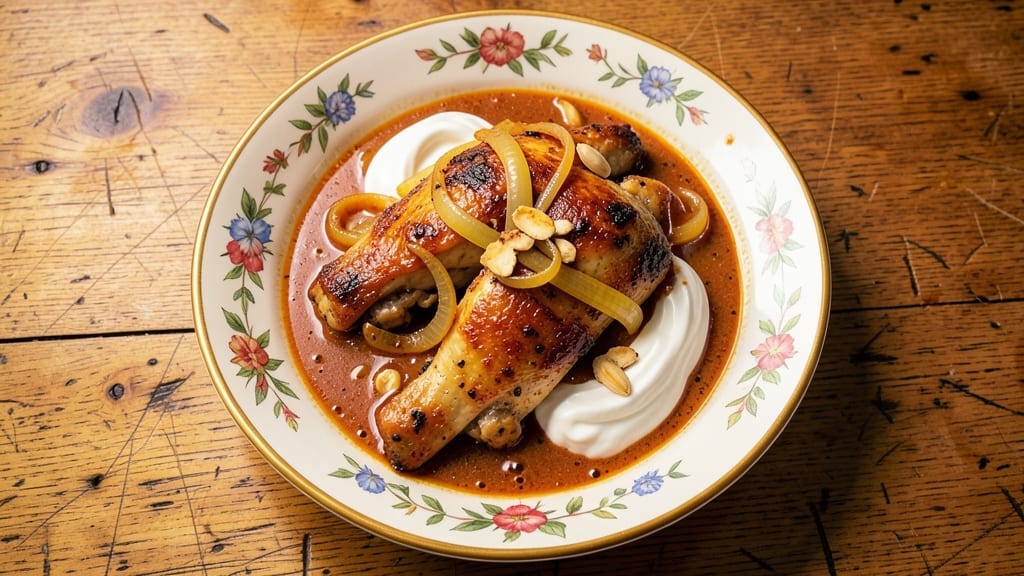
This 1970s chicken curry recipe transports you to an era when bold spices and coconut milk created the perfect harmony of warmth and richness. 🌟 The secret lies in whole spices—cinnamon, cardamom, and cloves—that toast gently to release their aromatic oils, while coconut milk lends that signature creamy depth.
I’ve recreated this dish exactly as it was made in the ’70s, using traditional techniques that deliver restaurant-quality results at home.
The recipe begins with a fragrant marinade of yogurt, ginger, and garlic, which tenderizes the chicken while infusing it with flavor. Whole spices are toasted in oil until fragrant, then simmered with onions and tomatoes to build a rich, aromatic base.
The addition of coconut milk creates a velvety sauce that coats every bite, balancing the heat and sweetness perfectly.
By the time you serve this dish, your kitchen will smell like a bustling Indian restaurant, and your taste buds will experience the same comfort and nostalgia of a classic ’70s curry.
The chicken emerges tender and infused with spice, swimming in a sauce that’s creamy yet bright, with just the right amount of heat. This is the kind of meal that feels like a hug in a bowl.
Serve it with basmati rice or warm naan to soak up every last drop of that luscious sauce. The recipe is designed to be authentic yet approachable, so you can recreate this vintage favorite without any shortcuts that compromise on flavor. Let’s bring the ’70s back to your dinner table.
Ingredients for 1970s chicken curry
Nine spices, coconut milk, and tender chicken thighs—this vintage curry brings ’70s Indian flavors home.
| Ingredient | Amount | Notes |
|---|---|---|
| Boneless Chicken Thighs 🍗 | 1 ½ lb | Skin-on for best flavor |
| Plain Yogurt 🥛 | 1 cup | Full-fat preferred |
| Fresh Ginger 🧅 | 2 tbsp | Finely grated, fresh preferred |
| Garlic Cloves 🧄 | 6 cloves | Peeled and minced |
| Vegetable Oil 🫒 | ½ cup | For spice toasting |
| Yellow Onions 🧅 | 1 whole | Finely chopped |
| Canned Tomatoes, crushed 🍅 | 14 ½ oz | High-quality, no salt added |
| Coconut Milk, full-fat 🥥 | 13 ½ oz | Canned, no additives |
| Ground Cumin 🌿 | 1 tbsp | Freshly toasted preferred |
| Ground Coriander 🌿 | 1 tbsp | Freshly ground preferred |
| Cinnamon Sticks 🌿 | 2 whole | For toasting |
| Cardamom Pods 🌿 | 4 whole | Lightly crushed |
| Cloves 🌿 | 4 whole | Whole, for toasting |
| Salt 🧂 | 1 ½ tsp | Adjust to taste |
| Black Peppercorns 🌶️ | ½ tsp | Freshly ground |
The spices are everything here. Cardamom and cloves need to be whole for that authentic ’70s toasted aroma—bulk bins at Indian markets are your best bet. I always grab mine from Whole Foods or a local Indian grocery, where they’re fresh and potent. The chicken? Thighs with skin stay juicier than breasts. Look for good marbling if you’re buying whole thighs to cut yourself. The coconut milk should be full-fat—no light versions. The canned tomatoes? San Marzano if you can find them, but any good-quality no-salt-added brand works. Fresh ginger and garlic? Don’t skip the zest—it’s what makes this curry sing.
No cardamom? Skip it—it’s not a dealbreaker, but it’s the heart of the flavor. Out of cloves? Allspice berries at half the amount work in a pinch. Using light coconut milk? Add 2 tbsp extra-fat coconut cream to compensate. The yogurt should be plain and full-fat—Greek yogurt works too. If you can’t find cinnamon sticks, ground cinnamon at half the amount is fine, but the sticks toast beautifully. The onions? Yellow or red both work, but yellow has more sweetness. For the tomatoes, if you’re using whole canned tomatoes, crush them by hand—no blender—for that rustic texture.
This curry tastes even better the next day—make extra. Keeps in the fridge for 4-5 days, freezes beautifully for 3 months. I always portion it into containers with a scoop of basmati rice on top—lunch sorted for the week. The spices? Store them in a cool, dark place, and they’ll last 6-12 months. The ginger and garlic can be prepped ahead and stored in the fridge for 1 week. Just don’t let that coconut milk sit open too long—use it within 2 days once opened.
Why You’ll Love This Recipe
- No-Fuss Pantry Staples: I swear by this recipe because it uses what’s already lurking in my fridge—chicken thighs, yogurt, and a jar of ginger I bought on sale last month. No specialty spices or last-minute grocery runs. Honestly, the only thing I need to grab is garlic, and even then, I’ll just use the cloves I’ve got frozen in a bag.
- Tangy-Garlicky Magic: That yogurt marinade? It’s the star—crispy skin from the thighs, then a creamy, garlicky hug that sticks to your ribs. I’ll be real: the first time I made it, I burned the garlic a little (oops), but even that charred bite added this weirdly addictive depth. Now I always double-check the oil heat.
- Leftovers That Shine: This curry tastes better the next day—like, dangerously so. I’ll make a big batch on Sundays, and by Wednesday, it’s still the star of my lunch. Freeze half if you’re feeling extra, and reheat it with a splash of water. My roommates still ask for seconds, even though I tell them it’s “last week’s leftovers.”
- Budget-Friendly Crowd-Pleaser: Chicken thighs are cheaper than breasts, and they stay juicy while the flavor builds. Serve it with rice and a simple salad, and you’ve got a meal that feeds four for under $15. Between us, this is the dish I make when friends drop by unannounced—no stress, all flavor, and zero takeout guilt.
Step-by-step instructions for 1970s chicken curry
Here’s how to make this nostalgic curry with rich, balanced spices and creamy coconut harmony.
🔥 Step 1: Marinate the Chicken in Yogurt
In a bowl, combine the 1.5 lb boneless chicken thighs with the 1 cup plain yogurt. Add the 2 tbsp finely grated fresh ginger, 1.5 tsp salt, and 0.5 tsp freshly ground black peppercorns. Gently mix until the chicken is fully coated in the marinade.
Cover the bowl and refrigerate for at least 1 hour (or up to 4 hours for deeper flavor). This yogurt marinade tenderizes the chicken while infusing it with aromatic spices. The longer it marinates, the more tender and flavorful your curry will be—just don’t exceed 4 hours or the chicken may start to cook in the cold.
🍳 Step 2: Toast Whole Spices in Oil
Heat the 0.5 cup vegetable oil in a large, heavy-bottomed pot over medium-low heat. Add the 2 whole cinnamon sticks, 4 lightly crushed cardamom pods, and 4 whole cloves. Toast for 2-3 minutes until the spices begin to sizzle and release their fragrant aroma.
Remove the spices with a slotted spoon and set aside for later. This step is crucial—it deepens the flavor by releasing the essential oils from the spices. Don’t rush this; you want the spices to gently bloom without burning. The oil should smell rich and aromatic when you’re ready to move to the next step.
🍳 Step 3: Sauté Onions and Aromatics
In the same pot, add the 1 whole yellow onion that’s been finely chopped. Cook over medium heat for 8-10 minutes, stirring occasionally, until the onions turn golden brown and caramelized. Add the 6 minced garlic cloves and cook for another 1 minute until fragrant.
Here’s where the magic happens: the onions should be deeply golden, almost crispy around the edges. If they start to brown too quickly, reduce the heat slightly. This caramelization builds the flavor foundation of your curry. Once the onions are perfect, add the toasted whole spices back to the pot and stir for 30 seconds to infuse their flavors.
🥘 Step 4: Build the Curry Base
Stir in the 1 tbsp ground cumin and 1 tbsp ground coriander, cooking for 30 seconds until aromatic. Add the 14.5 oz crushed canned tomatoes and cook for 5-7 minutes until the mixture thickens slightly. This creates a rich, flavorful base that will carry through the entire dish.
I like to press the tomatoes with the back of a wooden spoon to break them down further. This helps release more of their juices and intensifies their flavor. The sauce should reduce by about 25%—you’re aiming for a thick, concentrated tomato base that will blend beautifully with the coconut milk later.
🔥 Step 5: Simmer with Coconut Milk
Add the marinated chicken (with any yogurt clinging to it) to the pot along with the 13.5 oz full-fat coconut milk. Bring to a gentle simmer, then reduce heat to low and cover partially. Cook for 30-35 minutes, stirring occasionally, until the chicken is tender and the sauce has thickened to your desired consistency.
Here’s the thing—this curry tastes even better the next day, but it’s delicious fresh too. The coconut milk should create a creamy, velvety sauce that coats the chicken beautifully. If the sauce is too thin, simmer uncovered for another 5 minutes to reduce it. If it’s too thick, add a splash of water or chicken broth to loosen it.
Pro Tips For Making 1970s Chicken Curry
- Brown the Chicken First: Don’t skip the golden crust—sear the chicken thighs in batches in a hot pan with 1 tablespoon of oil until deep brown on both sides. I learned this the hard way: skipping this step leaves you with bland, rubbery chicken in a curry that tastes like it’s missing something. The Maillard reaction here is non-negotiable for that classic 70s richness.
- Whisk the Yogurt: Before adding yogurt to the curry, whisk it with a splash of water or milk until smooth—this prevents it from curdling when it hits the hot oil. I used to just dump it in and end up with a lumpy mess. A minute of whisking makes all the difference, even if it feels like overkill.
- Grate, Don’t Mince, Ginger: Use a fine grater for the ginger instead of a knife—it releases more flavor and blends seamlessly into the sauce. I was skeptical until I tried it: the texture is silky, not chunky, and the heat cuts through the yogurt’s creaminess like it’s supposed to.
- Simmer Low and Slow: Once the curry starts bubbling, turn the heat down to the lowest setting and let it cook uncovered for at least 40 minutes. Rushing this step means a watery, underdeveloped sauce. The 70s curry I admire has body, not broth—patience here guarantees depth.
Perfect pairings for these flavors
Classic Side Pairings
Serve this curry with steamed basmati rice—its long grains soak up the sauce beautifully. I like using jasmine rice for a floral note that complements the coconut. For extra texture, add a sprinkle of toasted cumin seeds while cooking. 🍚
Warm naan bread or garlic paratha makes the perfect hand-held companion. Brush the naan with garlic butter before serving to balance the spice. I always make a double batch—everyone always wants seconds.
Fresh Vegetable Additions
Add blanched cauliflower florets for a subtle crunch and to lighten the dish slightly. Toss them in the sauce for the last 10 minutes of cooking. Alternatively, sautéed spinach or baby potatoes add heartiness without overpowering the chicken.
Traditional Garnishes
Finish with fresh cilantro and thinly sliced green onions for brightness. A squeeze of lime juice right before serving cuts through the richness. For an extra touch, sprinkle crushed cashews or fried shallots on top for crunch. 🌿
Beverage Pairings
A masala chai with its warm spices mirrors the curry’s flavors perfectly. For something lighter, try sparkling lime soda—the bubbles cleanse your palate between bites. I also love cold beer like Kingfisher or Bass to balance the heat.
Make-Ahead Serving
This curry tastes even better the next day! Store leftovers in an airtight container and reheat gently with a splash of water. Serve with lemon wedges on the side so everyone can adjust the acidity to their taste. 💡
Nutrition facts
Frequently asked questions
Why does this recipe use whole spices instead of ground ones?
Whole spices release their aroma more gradually, creating deeper, more complex flavors that mimic authentic ’70s cooking techniques. Toasting them in oil unlocks their essential oils, giving your curry that signature vintage warmth. Ground spices lose potency quickly, while whole spices maintain their intensity longer.
Can I substitute chicken breasts for thighs?
While possible, thighs stay juicier and more tender during the long simmer. Chicken breasts can dry out—if using them, reduce cooking time to 20-25 minutes and add 2 tbsp coconut milk at the end to compensate for moisture loss.
How do I adjust the spice level?
For milder heat, reduce the black peppercorns to 0.25 tsp and skip the cardamom (it’s subtle). For extra heat, add 0.5 tsp cayenne pepper or 1 tsp Kashmiri chili powder with the ground spices. Always taste as you go!
What if I don’t have coconut milk?
Use 1 cup heavy cream plus 0.5 cup water for richness, but the texture will be lighter. For a dairy-free option, blend 1 cup soaked cashews with 1 cup water until smooth. The flavor won’t be identical, but it’ll still be delicious.
Can I make this in a slow cooker?
Yes! After Step 3 (building the curry base), transfer everything to a slow cooker. Cook on low for 4-5 hours or high for 2-3 hours. The chicken will stay incredibly tender, and the sauce will develop even more depth. Just stir occasionally to prevent sticking.
