
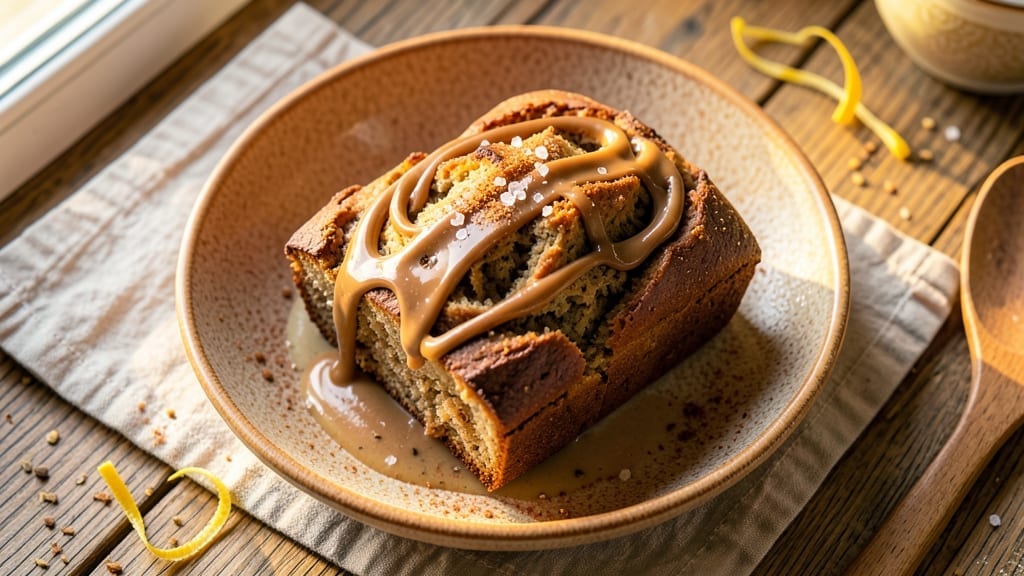
This 3-ingredient peanut butter bread recipe transforms simple pantry staples into a rich, nutty loaf with zero fuss—perfect for vegan diets and busy schedules. The secret lies in balancing hydration and resting time, ensuring a tender crumb with that signature peanut butter flavor in every bite.
No yeast, no kneading, just a one-pan wonder that bakes up golden and moist.
With just peanut butter, flour, and flaxseed, this recipe delivers restaurant-quality results without the complexity. The flaxseed acts as both a binder and nutritional boost, while the peanut butter adds depth and moisture.
Bake at 350°F for 30-35 minutes for a loaf that’s crisp on the outside and soft inside—ideal for toast, sandwiches, or snacking straight from the pan.
The beauty of this bread lies in its versatility. Use it for breakfast toast with almond butter, as a base for vegan BLTs, or simply sliced and enjoyed with tea. It stores well at room temperature for 3-4 days or freezes perfectly for up to a month.
The simplicity won’t disappoint, and the flavor will have you reaching for the recipe again and again.
For extra texture, sprinkle a pinch of sea salt or cinnamon into the dough before baking. Serve warm with a drizzle of honey or a smear of jam for a sweet finish. This bread proves that minimal ingredients can create maximum flavor—without the stress of complicated techniques.
Ingredients for 3 ingredient peanut butter bread
Three pantry staples transform into a nutty, golden loaf with no yeast or kneading.
| Ingredient | Amount | Notes |
|---|---|---|
| Creamy Natural Peanut Butter 🥜 | 1 cup | No added sugar preferred |
| All-Purpose Flour 🌾 | 2 ½ cups | Spray pan with flour for easy release |
| Ground Flaxseed 🌱 | 3 tbsp | Mixed with 9 tbsp water for flax eggs |
| Sea Salt 🧂 | ½ tsp | Fine grain preferred for even distribution |
| Ground Cinnamon 🌿 | ½ tsp | Optional for subtle warmth |
| Water 💧 | ¼ cup | Room temperature for better mixing |
The peanut butter is non-negotiable here—natural, no-sugar-added delivers the richest flavor without overpowering the dough. Smucker’s Natural or Skippy Natural are reliable choices, but any creamy variety works. For the flour, King Arthur or Gold Medal brands provide consistent texture, though any all-purpose will suffice. The flaxseed must be ground fresh—pre-ground loses potency quickly. Bob’s Red Mill sells it pre-ground, but grinding your own seeds in a spice grinder ensures maximum freshness. Store-bought flaxseed blends often contain fillers, so check the label for 100% purity.
No flaxseed? Chia seeds work at double the amount—mix 6 tbsp chia with 18 tbsp water instead. Running low on peanut butter? Almond butter or sunflower seed butter create similar textures, though flavor will differ. The cinnamon is optional but enhances the bread’s warmth—if you skip it, the dough will still bind perfectly. For extra richness, add 1 tbsp melted coconut oil to the peanut butter mixture. The water should be room temperature to prevent the dough from becoming gummy; lukewarm tap water works in a pinch if you’re in a hurry.
This bread keeps beautifully at room temperature for 3-4 days when wrapped in parchment paper, but it reheats best when toasted. For longer storage, slice and freeze portions for up to 3 months—wrap tightly in plastic wrap before placing in a freezer bag. To revive, thaw at room temperature for 10 minutes before toasting. The loaf’s exterior crisps up nicely when reheated in a 350°F oven for 5-7 minutes, restoring its bakery-fresh texture. Portion into single slices for easy grab-and-go toast.
Why You’ll Love This Recipe
- No Mixer Needed: The dough comes together with just your hands—no stand mixer, no overthinking. I swear by the flaxseed trick (mix it with water first) to bind everything without eggs or fuss. Five minutes of kneading, and you’re done.
- Rich Without Sugar: That creamy peanut butter and a pinch of cinnamon? It’s naturally sweet but sophisticated. Honestly, the salt cuts through the richness just enough to make it feel like a bakery loaf, not a guilty pleasure.
- Breakfast or Snack: Toast it for a quick breakfast with butter, or pack slices for lunch when the kids need something filling. My daughter grabs it after soccer practice—no reheating, no complaints.
- Pantry Staple Magic: You’re already using what’s in your cupboard. Flaxseed adds fiber, peanut butter brings protein, and flour keeps it sturdy. Between us, this is my secret weapon for when I’ve got nothing but a jar of PB and 10 minutes.
Step-by-step instructions for 3-Ingredient peanut butter bread
This one-pan method delivers moist, nutty bread with minimal effort—just mix, bake, and enjoy.
Create Flax Eggs and Mix Wet Ingredients
In a small bowl, combine the 3 tablespoons ground flaxseed with 9 tablespoons water (the ingredients list specifies this ratio for proper binding). Let this mixture sit for 5 minutes while you prepare the rest—you’ll see it thicken into a gel-like consistency, forming the “flax egg” that replaces traditional eggs in this recipe.
In a separate large mixing bowl, add the 1 cup creamy natural peanut butter and the 0.25 cup room temperature water. Using a sturdy spatula, mix until completely smooth, scraping the sides to ensure no peanut butter clumps remain. This step ensures even distribution of the peanut butter throughout the batter, which is critical for that signature nutty flavor in every slice.
Combine Dry Ingredients and Form the Dough
In the same bowl, sift in the 2.5 cups all-purpose flour, followed by the 0.5 teaspoon sea salt and 0.5 teaspoon ground cinnamon. Gently fold these dry ingredients into the peanut butter mixture using the spatula until just combined—you should still see small flour streaks. Overmixing develops gluten and can make the bread dense rather than tender.
Once combined, add the flax egg mixture and continue folding until a shaggy dough forms. The dough will be sticky, but don’t add extra flour—this recipe relies on the peanut butter’s moisture for that signature soft texture. If the dough feels too stiff, add 1 tablespoon water at a time until it reaches a workable consistency that clings slightly to your fingers.
Shape and Prepare the Loaf Pan
Lightly spray a standard 9×5-inch loaf pan with cooking spray (the ingredients list suggests this for easy release) and dust it generously with flour, tapping out any excess. Transfer the dough to the prepared pan and use your hands to press it evenly into the bottom, ensuring the edges meet the sides of the pan. This step prevents a domed loaf and promotes even baking.
For that classic peanut butter bread texture, create a simple crosshatch pattern on top using a knife or your fingers. This not only looks appealing but also helps the bread brown evenly. Cover the pan loosely with plastic wrap and let it rest at room temperature for 15 minutes. This brief resting period allows the dough to relax slightly, making it easier to handle when transferring to the oven.
Bake to Golden Perfection
Preheat your oven to 350°F and place a baking sheet on the middle rack to catch any potential drips. Once the oven reaches temperature, bake the loaf for 45-50 minutes, or until a toothpick inserted into the center comes out clean. The bread is done when the top is golden brown and the edges pull away slightly from the pan.
I recommend checking for doneness at the 40-minute mark—every oven runs slightly differently, and you want to avoid overbaking, which can make the bread dry. If the top browns too quickly, loosely tent the loaf with aluminum foil after 20 minutes to prevent over-browning while allowing the center to cook through.
Cool and Slice for Maximum Enjoyment
Remove the loaf from the oven and let it cool in the pan for 10 minutes before transferring it to a wire rack. This cooling period is crucial—it allows the bread to set properly and prevents it from becoming gummy when sliced. The bread will continue to release steam during this time, ensuring that moisture stays locked in for that perfect texture.
Once cooled, slice the loaf into ¼-inch thick pieces using a serrated knife. The bread should be moist but not sticky, with a subtle crumb that’s slightly denser than traditional bread—this is the signature texture of peanut butter bread. Store any leftovers in an airtight container at room temperature for up to 3 days, or freeze for up to 3 months for freshness whenever you’re ready to enjoy.
Pro Tips For Making 3 Ingredient Peanut Butter Bread
- MEASURE PEANUT BUTTER BY WEIGHT: Peanut butter’s density varies wildly—scooping by volume leads to dry or sticky loaves. Use a kitchen scale for 1:1 ratio (e.g., 100g peanut butter to 100g flour). I learned this after my first batch turned out like a hockey puck because I eyeballed the jar.
- LET THE DOUGH REST 20 MINUTES: Mixing the dough then baking immediately makes the bread dense. Let it sit covered at room temp—this lets the flaxseed absorb moisture and the flour relax. Sounds boring, but it’s the difference between a brick and a tender loaf.
- SIFT THE FLOUR FIRST: Peanut butter is thick, and ground flaxseed clumps like crazy. Sift the flour and cinnamon together before mixing to avoid lumps. I skip this sometimes, and the bread still works, but the texture suffers.
- BAKE UNTIL INTERNALLY 195°F: The peanut butter makes this bread moist, so it won’t brown like regular bread. Use a thermometer—wait for the center to hit 195°F (190°F minimum) to avoid a gummy core. I’ve cut into loaves too soon and regretted it.
Perfect pairings for this 3 ingredient peanut butter bread
Sweet Spreads
Drizzle warm bread with local honey or maple syrup for an instant flavor boost. I love using raw honey from a nearby farmers’ market—its floral notes complement the peanut butter’s richness beautifully. For a vegan option, agave syrup or date syrup works perfectly, adding subtle caramel undertones. 🍯
Spread almond butter on toasted slices for a nutty double-up, or try sunflower seed butter for a seed-based alternative. A thin layer of vegan cream cheese adds tangy contrast, while chocolate hazelnut spread creates a decadent dessert-like treat. Keep spreads refrigerated to maintain texture.
Savory Toppings
Add crumbled feta cheese for a salty bite, especially if you’re making a vegan BLT. I often sprinkle everything bagel seasoning on warm slices for a savory crunch. For protein, top with sliced turkey or ham (if not keeping it vegan) or marinated tofu for a plant-based option. 🧀
Fresh avocado slices with a pinch of sea salt and red pepper flakes create a creamy, zesty contrast. Smoked salmon or sardines add umami depth, while pickled jalapeños bring a tangy kick. Store toppings separately until ready to assemble for maximum freshness.
Drink Pairings
Sip chilled green tea or hibiscus tea to cleanse your palate between bites. The tannins in tea help balance the peanut butter’s richness. For a caffeine-free option, try sparkling water with lemon slices—the effervescence refreshes while the citrus brightens the meal. 🍵
Pair with cold brew coffee or matcha latte for a morning boost, or enjoy with iced herbal tea for an afternoon pick-me-up. If you prefer something warm, ginger tea or chamomile tea complement the bread’s nutty flavors beautifully. Keep drinks chilled for the best experience.
Breakfast Ideas
Toast slices and top with banana slices and a sprinkle of cinnamon for a classic PB&J twist. For extra protein, add Greek yogurt or nut butter alongside. I often make peanut butter toast cups by cutting thick slices into circles, toasting, and filling with yogurt and granola. 🍌
Create a savory breakfast sandwich with scrambled tofu, sriracha, and sliced cucumber. For a sweet option, layer strawberry jam and shredded coconut between two slices. Store breakfast combos in airtight containers for quick grab-and-go mornings.
Lunch & Snack Uses
Make peanut butter and jelly sandwiches with strawberry or grape jelly for a nostalgic treat. For a lunchbox-friendly option, cut into finger-shaped slices and pack with apple slices and carrot sticks. I love wrapping slices around hummus and veggie sticks for a portable snack. 🥪
Use as a base for open-faced sandwiches with avocado, smoked salmon, and capers. For a dessert twist, spread with Nutella and top with sliced strawberries. Store leftovers in parchment-lined bags to keep them fresh for up to 3 days at room temperature.
Nutrition facts
Frequently asked questions
Can I substitute flaxseed with something else?
Yes! If you don’t have flaxseed, use chia seeds at double the amount (6 tbsp chia + 18 tbsp water). For non-vegan versions, replace with 1 large egg or ¼ cup unsweetened applesauce—just adjust the water to ¼ cup total for proper dough consistency.
Why does my bread turn out dense or dry?
Overmixing develops gluten, making the bread dense. Mix just until combined! For dryness, ensure your peanut butter is creamy and natural (no added sugar), and don’t skip the 15-minute rest before baking. If the dough feels too stiff, add 1 tbsp water at a time.
How do I store leftovers to keep them fresh?
Wrap the loaf tightly in parchment paper and store at room temperature for 3-4 days. For longer storage, slice and freeze portions in airtight containers for up to 3 months. Thaw slices at room temperature for 10 minutes before toasting.
Can I make this bread without a loaf pan?
Shape the dough into a ball, place it on a parchment-lined baking sheet, and bake at 350°F for 35-40 minutes. For a free-form loaf, press the dough into a rectangle and bake until golden. This works well for thick sandwich slices or toast.
What’s the best way to reheat stale slices?
Toast stale slices in a 350°F oven for 5-7 minutes or warm them in a dry skillet over medium-low heat for 2 minutes per side. For microwave reheating, wrap slices in a damp paper towel and heat for 15-20 seconds—this restores moisture without drying them out.
