
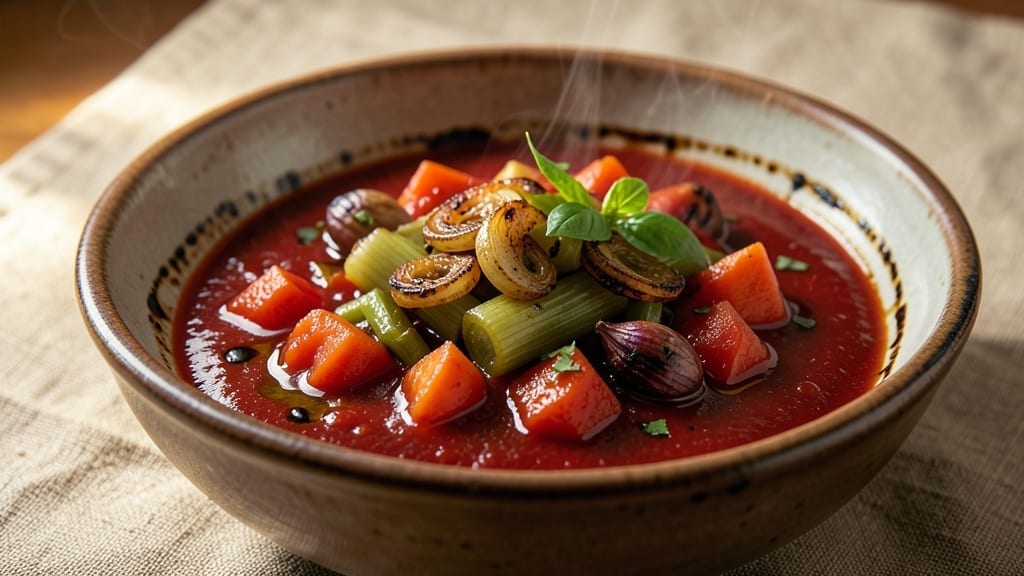
An 8-hour spaghetti sauce transforms simple ingredients into a rich, complex masterpiece that deepens in flavor with every passing hour. The slow simmering process breaks down tomatoes into velvety sweetness while extracting maximum depth from aromatics and herbs.
This isn’t just sauce—it’s the foundation of restaurant-quality Italian meals you can make at home with minimal effort.
The secret lies in patience and layering flavors gradually. Aromatics like garlic and onion form the base, while crushed tomatoes and herbs infuse over time, creating a sauce that’s more than just the sum of its parts.
Unlike quick sauces that rely on shortcuts, this method develops layers of umami and caramelized richness that store-bought versions can’t match. The result is a sauce that tastes even better the next day.
What you’ll end up with is a deeply flavorful sauce that clings perfectly to pasta, enhances meatballs, or stands alone as a hearty stew. The texture is velvety yet substantial, with just the right balance of acidity and sweetness.
This sauce adapts effortlessly to any Italian meal—whether you’re serving it with al dente spaghetti, alongside crispy meatballs, or as a topping for grilled chicken.
Perfect for meal prep, this sauce keeps well in the refrigerator for up to a week and freezes beautifully for months. The flavors only intensify with time, making it ideal for batch cooking. Here’s how to create this foolproof, deeply flavorful sauce that will become a staple in your kitchen.
Ingredients for 8 hour spaghetti sauce
Pantry staples meet slow-cooked magic for this deeply flavorful sauce masterpiece.
| Ingredient | Amount | Notes |
|---|---|---|
| Extra-Virgin Olive Oil 🫒 | ½ cup | High-quality, fruity variety |
| Yellow Onion 🧅 | 2 medium | Diced, about 1.5 cups |
| Garlic Cloves 🧄 | 8 whole | Minced, for deep flavor |
| Carrots 🥕 | 2 medium | Diced, about 1 cup |
| Celery Stalks 🌿 | 3 whole | Diced, about 1 cup |
| Canned San Marzano Tomatoes 🍅 | 28 oz | Crushed by hand, seeds removed |
| Tomato Paste 🍅 | ½ cup | Smooth, not chunky |
| Dry Red Wine 🍷 | 1 cup | Bold, like Cabernet Sauvignon |
| Beef Broth 💧 | 2 cups | Low-sodium preferred |
| Fresh Basil Leaves 🌿 | ½ cup | Packed, stems removed |
| Fresh Oregano Leaves 🌿 | ¼ cup | Packed, chopped |
| Bay Leaves 🍃 | 2 whole | Dried, for depth |
| Salt 🧂 | 2 tsp | Diamond Crystal preferred |
| Ground Black Pepper 🌶️ | ½ tsp | Freshly cracked |
| Sugar 🍯 | 1 tsp | Balances acidity |
The tomatoes are non-negotiable—San Marzano is the gold standard, but any high-quality crushed tomatoes work. Trader Joe’s has a great budget-friendly option if you’re not hunting down Italian imports. Fresh basil and oregano? Grow your own or grab from the farmers market—they’ve got more punch than the grocery store stuff. The red wine adds depth, so don’t skimp on a bold Cabernet Sauvignon—whatever’s open in your fridge will do in a pinch. For the aromatics, diced onion, garlic, and carrots should be cooked until soft but not browned—this builds the flavor foundation.
No red wine? Substitute beef broth with a splash of balsamic vinegar—it’s a game-changer. Short on fresh herbs? Dried oregano at one-third the amount works, but fresh is ideal. The tomato paste can be swapped for extra crushed tomatoes if you’re out, though it’ll be slightly thinner. For a meatier flavor, add 1 cup of finely chopped mushrooms with the vegetables. The sugar balances acidity, but if your tomatoes are particularly tart, reduce to 0.5 tsp. And if you’re meal prepping, double the batch—this sauce only gets better with time.
This sauce is a meal prep dream—freezes beautifully for up to 6 months and tastes even better the next day. Portion into glass jars with a layer of olive oil on top to preserve freshness. For serving, reheat gently on the stove with a splash of water to loosen it up. The flavors meld like crazy overnight, so make it the night before if you can. And trust me, leftovers are your new favorite thing—perfect for pasta, meatballs, or even as a stew.
Why You’ll Love This Recipe
- Deep Umami Magic: That long simmer? It’s not just time—it’s transformation. The carrots and celery sweeten, the garlic mellows into something rich, and the olive oil carries all that goodness like a flavor taxi. Honestly, the first time I tasted it after 8 hours, I nearly cried. It’s that good.
- Weeknight Workhorse: This sauce is my go-to for lazy Mondays, potlucks, or when I need to feed a crowd without stress. Freeze half for later, toss it with pasta, or use it in sandwiches—it’s the backbone of so many meals, yet takes zero effort to pull off.
- Budget-Friendly Luxury: Fresh veggies, olive oil, and pantry staples—that’s it. No fancy ingredients, no markup, just honest, hearty flavor that costs next to nothing. I’ll be real: my grocery bill stays low, but my dinner table stays full. That’s the win.
Step-by-step instructions for 8-Hour spaghetti sauce
Let’s build a sauce that transforms from simple ingredients into something extraordinary over time.
Sauté the Vegetable Base
Heat the 0.5 cup extra-virgin olive oil in a large Dutch oven over medium heat. Add the 2 medium diced yellow onions and cook for 5-6 minutes until they become translucent and their edges start to soften. This is your foundation – don’t rush this step or you’ll miss the sweetness that develops.
Add the 2 medium diced carrots and 3 whole diced celery stalks to the pot. Cook for another 5 minutes until the vegetables soften and begin to caramelize slightly. This aromatic vegetable combination forms what’s known as a soffritto – the flavor backbone of Italian cooking. Push the vegetables to the sides of the pot and add the 8 whole minced garlic cloves to the empty space in the center.
Develop the Flavor Foundation
Cook the garlic for 30-45 seconds until it becomes fragrant but doesn’t brown – this prevents bitterness. Immediately add the 0.5 cup tomato paste and stir vigorously to distribute it evenly. Cook for 2 minutes until the paste darkens slightly and releases its concentrated tomato flavor.
Pour in the 1 cup dry red wine and scrape up any browned bits from the bottom of the pot with a wooden spoon. This deglazing step captures all those flavorful compounds that would otherwise go to waste. Let the wine simmer for 3-4 minutes until it reduces by about half, intensifying its flavor profile.
Build the Sauce Structure
Add the 28 oz crushed San Marzano tomatoes to the pot, stirring to combine with the wine and tomato paste mixture. The tomatoes should be crushed by hand to remove seeds, which prevents a watery sauce. Add the 2 cups beef broth, 2 whole bay leaves, 2 tsp salt, 0.5 tsp ground black pepper, and 1 tsp sugar.
Bring the sauce to a gentle simmer, then reduce heat to low. The goal is to maintain a steady bubble without vigorous boiling. Partially cover the pot with a lid, leaving a small gap for steam to escape. This controlled simmer is where the magic begins – the sauce will slowly reduce and deepen in flavor over the next 8 hours.
Simmer and Develop Complexity
Let the sauce simmer uncovered for 6 hours, stirring occasionally to prevent sticking. The sauce will gradually reduce and concentrate, developing a rich, velvety texture. Every 30 minutes, give it a stir and taste to monitor the balance of seasoning. You’ll notice the acidity mellows and the flavors meld together into something cohesive and complex.
After 6 hours, stir in the 0.5 cup chopped fresh basil leaves and 0.25 cup chopped fresh oregano leaves. These herbs add bright, fresh notes that contrast beautifully with the deep, developed flavors. Simmer uncovered for another 2 hours, allowing the herbs to infuse without overpowering the sauce. The final texture should be thick enough to coat the back of a spoon but still have some body.
Finish and Rest
Remove the 2 whole bay leaves from the sauce. Taste and adjust seasoning if needed – you might need a touch more salt or sugar to balance the flavors. The sauce should be rich, complex, and perfectly balanced with acidity, sweetness, and umami.
Let the sauce rest at room temperature for 30 minutes before serving. This resting period allows the flavors to fully meld and the sauce to reach its optimal consistency. The sauce will continue to deepen in flavor as it sits, making it even more delicious the next day. Serve over freshly cooked spaghetti and garnish with additional fresh basil if desired.
Pro Tips For Making 8 Hour Spaghetti Sauce
- Sweat the Veggies Slow: I used to rush the onion, carrot, and celery—just tossing them in and cranking the heat. Turns out, a gentle simmer for 10-12 minutes in olive oil (no browning needed) pulls out way more flavor without burning. Cover the pot for the first 5 minutes to help them break down faster.
- Use Whole Garlic Cloves: Peeling and mincing garlic is a pain, but crushing whole cloves with the flat side of your knife (then leaving them intact) infuses the sauce with deeper flavor. They’ll soften and mellow out during the 8-hour cook—no bitterness, just sweet, aromatic depth.
- Salt the Water Early: The sauce will reduce dramatically, so salt the water before adding tomatoes or wine—about 1.5 teaspoons per quart. If you wait, you’ll end up guessing how much to add later, and that’s when sauces turn bland or one-note.
- Deglaze with Wine First: After browning the veggies, splash in a glug of red wine before adding anything else—it lifts all the stuck-on bits and adds brightness. Let it simmer for 2 minutes to cook off the alcohol, then add tomatoes. Skipping this step means missing out on that rich, layered flavor.
Regional styles of this 8 hour spaghetti sauce
Classic Neapolitan
This Italian original focuses on simplicity and freshness, using just San Marzano tomatoes, garlic, basil, and a touch of olive oil. The key difference? Skip the wine and beef broth—replace them with 1 cup water and 1 tsp red pepper flakes for subtle heat.
Simmer for 6 hours instead of 8, then finish with 0.25 cup fresh basil and a drizzle of extra-virgin olive oil. The result is a bright, tangy sauce perfect for classic marinara dishes. 🍅
Meaty Ragù alla Bolognese
Transform this sauce into a rich ragù by adding 1.5 lbs ground beef and 1 lb Italian sausage with the vegetables. Brown the meat first, then proceed with the recipe. Use 1 cup whole milk instead of wine and add 1 tbsp tomato paste at the end for depth.
Simmer for the full 8 hours—the meat will tenderize beautifully. This version is heartier, ideal for lasagna or stuffed shells. 🥩
Creamy Tuscan Style
For a velvety twist, stir in 0.5 cup heavy cream and 0.25 cup grated Parmesan during the final 30 minutes of simmering. Add 1 tsp dried rosemary with the bay leaves and a pinch of nutmeg for warmth.
This sauce pairs perfectly with pappardelle pasta or grilled chicken. The cream adds richness without overpowering the tomato base. 🧀
Spicy Sicilian
Boost the heat with 2 tbsp Calabrian chili paste and 1 chopped Fresno chili added during the last 2 hours of simmering. Finish with 0.25 cup chopped fresh parsley and a squeeze of lemon juice.
This version is fiery but balanced, perfect for spicy pasta dishes or as a marinade for grilled meats. 🌶️
Vegetarian Mushroom
Swap the beef broth for 2 cups vegetable broth and add 1.5 cups sliced mushrooms with the carrots and celery. Stir in 1 tbsp balsamic vinegar and 0.5 cup chopped sun-dried tomatoes during the final 1 hour** of cooking.
This earthy, umami-packed sauce is ideal for vegetarian pasta dishes or as a topping for roasted vegetables. 🍄
Nutrition facts
Frequently asked questions
Can I make this sauce in a slow cooker instead of on the stove?
Transfer all ingredients to a 6-quart slow cooker after sautéing the vegetables and garlic. Cook on low heat for 8-10 hours or high heat for 5-6 hours. The texture will be slightly thinner, so simmer uncovered on the stove for 20-30 minutes after transferring to thicken it. Just stir occasionally to prevent sticking.
Why does this sauce taste better the next day?
The flavors deepen as the acidity mellows and ingredients meld together during resting. The tomatoes break down further, the herbs infuse more completely, and the umami from the wine and broth intensifies. This is why professional chefs always rest their sauces! Refrigerate overnight for maximum flavor development.
Can I use frozen tomatoes instead of canned?
Yes, but you’ll need to adjust the cooking time. Use 3 cups frozen tomatoes (thawed) instead of canned and simmer for 9-10 hours total to achieve the same concentrated flavor. Frozen tomatoes work best when combined with 1 tbsp tomato paste for better thickening. The texture will be slightly chunkier, which some people prefer.
How do I prevent the sauce from getting too thick?
Add 2-3 tablespoons of water or broth during the final 30 minutes of cooking if needed. For a smoother texture, blend 1 cup of the sauce before adding it back. The sauce should coat the back of a spoon but still be pourable. If it’s too thick after resting, reheat with a splash of liquid.
What’s the best way to reheat leftovers?
Gently reheat on the stove over medium-low heat for 5-10 minutes, stirring occasionally. Add 1-2 tablespoons of water or broth to prevent sticking. Microwaving can make the sauce watery—always use stovetop heat. For frozen sauce, thaw in the fridge overnight, then reheat slowly. The flavors only get better with reheating!

- 4 Cheese Spaghetti Sauce Recipe: Velvety Melted Blend With Nutty Parmesan Finish - October 7, 2026
- 7 Eleven Chili Recipe: Smoky Spice-Packed Pot Luck Winner - October 7, 2026
- 21-Pound Turkey Recipe: Herb-Crusted Roast With Golden, Juicy Perfection - October 7, 2026