
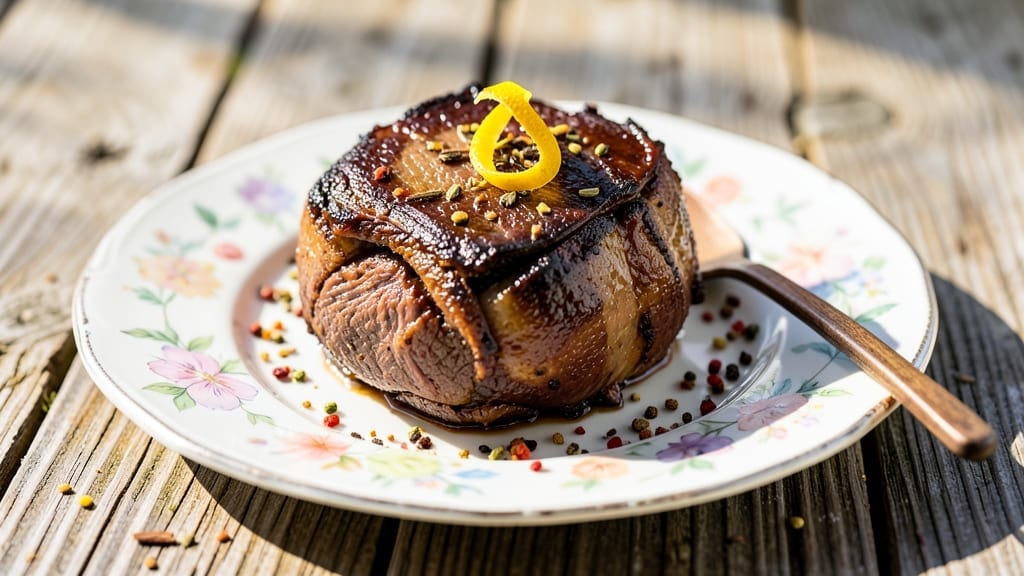
Transforming tough beef short ribs into melt-in-your-mouth perfection requires patience and precision—this beef short rib pot roast recipe delivers restaurant-quality results with a slow-braised approach that tenderizes the meat while developing deep, caramelized flavors.
The secret lies in searing the ribs first to lock in juices, then braising them at a steady 300°F for hours until they practically fall apart. This method transforms what could be a challenging cut into a showstopping centerpiece that feels indulgent yet remains approachable for home cooks.
The beauty of this recipe is its flexibility—whether you prefer a classic red wine reduction or a modern twist like a garlic-herb broth, the technique remains the same.
You’ll start with a deep sear in a hot Dutch oven, then slow-cook the ribs until they reach fork-tender perfection, with a rich, velvety sauce that clings to every bite.
The result is a dish that’s equally impressive for Sunday dinners or weeknight meals, as long as you plan ahead for the 3-4 hour braising time.
By the time you serve this pot roast, you’ll have a dish that’s rich, deeply flavorful, and effortlessly elegant—golden-brown ribs glistening with sauce, served alongside creamy mashed potatoes or roasted vegetables to soak up every last drop.
The aroma alone will have everyone gathering at the table, and the first bite will confirm why this recipe is worth the wait. Ready to master the art of slow-cooked beef?
This method also works beautifully with other tough cuts like chuck roast or pork shoulder, making it a versatile addition to your slow-cooker repertoire. The key is controlling the temperature and timing, ensuring the meat becomes tender without drying out.
Once you try it, you’ll never settle for anything less than this level of depth and richness.
Ingredients for beef short rib pot roast
Six ingredients transform tough ribs into melt-in-your-mouth perfection—just patience and a Dutch oven.
| Ingredient | Amount | Notes |
|---|---|---|
| Beef Short Ribs 🥩 | 4 lb | Bone-in, cut into 2-inch pieces |
| All-Purpose Flour 🌾 | ½ cup | For dredging ribs before searing |
| Kosher Salt 🧂 | 1 ½ tbsp | Diamond Crystal preferred |
| Freshly Ground Black Pepper 🌶️ | 1 tbsp | Coarse grind for texture |
| Dry Red Wine 🍷 | 1 ½ cups | Bold Cabernet Sauvignon preferred |
| Beef Broth 🍲 | 2 cups | Low-sodium, homemade or high-quality |
| Tomato Paste 🍅 | 2 tbsp | Squeeze tube preferred |
| Garlic Cloves 🧄 | 6 cloves | Smashed, not minced |
| Fresh Thyme Sprigs 🌿 | 4 whole | Stems intact for easy removal |
| Fresh Rosemary Sprigs 🌿 | 2 whole | Woody stems for aroma |
| Yellow Onion 🧅 | 1 whole | Cut into 1-inch chunks |
| Carrots 🥕 | 4 whole | Cut into 2-inch chunks |
| Extra-Virgin Olive Oil 🫒 | ¼ cup | High-quality, fruity |
| Balsamic Vinegar 🍶 | 2 tbsp | For deglazing |
| Honey 🍯 | 1 tbsp | For caramelized finish |
The ribs are the star, so pick bone-in cuts with good marbling—they’ll stay juicy through the long cook. Costco or Whole Foods usually carry the best quality, but any reputable butcher will have them. Look for bright red meat with visible fat—this is what keeps them tender. If you can’t find bone-in, bone-out works too, but the flavor will be slightly different. I always buy a little extra—leftovers make amazing tacos the next day. For the wine, a bold Cabernet Sauvignon adds the most depth, but Merlot or Zinfandel work too—just avoid anything too sweet.
No red wine? Beef broth with a splash of balsamic keeps the richness. Fresh thyme and rosemary are ideal, but dried works at one-third the amount if you’re in a pinch. The tomato paste can be skipped if you dislike it, but it adds a subtle sweetness that balances the acidity. For the onions and carrots, baby carrots or pre-cut veggies save time, but whole veggies caramelize better. The honey is optional but worth it for that glossy finish—just don’t overdo it, or the sauce will taste cloying. If you’re short on time, pre-cut the vegetables while the ribs sear.
This dish tastes even better the next day—plan ahead. The ribs stay tender for 3-4 days in the fridge, and the sauce improves with time as flavors meld. For storage, keep the ribs and sauce together in an airtight container. To reheat, warm on the stove over medium heat with a splash of broth. Freezing isn’t ideal for the texture, but you can freeze the sauce separately for up to 3 months. If you’re making this for a crowd, double the batch—leftovers are a given, and they’re just as delicious.
Why You’ll Love This Recipe
- One-Pan Magic: The flour-dusted ribs brown right in the pot—no extra pans, no fuss. Just sear, deglaze with that red wine, and let the slow cooker do the work while you sip your glass.
- Wine-Infused Richness: That splash of dry red wine? It’s not just for flavor—it tenderizes the ribs and leaves you with a sauce so deep and savory, you’ll want to spoon it over everything. (Yes, even mashed potatoes.)
- Leftovers That Shine: This dish actually improves the next day. The beef falls apart at the touch of a fork, and the sauce thickens into something even better cold—perfect for quick lunches or feeding a crowd without extra effort.
- Budget-Friendly Luxury: Short ribs might sound fancy, but they’re cheaper than steak and pack serious flavor. A single pot feeds four, stretches to five with sides, and makes you feel like you’re serving restaurant-quality without the price tag.
Step-by-step instructions for beef short rib pot roast
Transform tough beef short ribs into melt-in-your-mouth perfection with this slow-braising technique.
Sear the Short Ribs for Deep Flavor
Pat the 4 lb beef short ribs dry with paper towels—this ensures maximum browning. In a heavy Dutch oven, heat the 0.25 cup extra-virgin olive oil over medium-high heat until shimmering. Working in batches, sear the ribs on all sides until deeply browned, about 3-4 minutes per side. The key here is patience: don’t crowd the pan or the temperature will drop.
While searing, prepare your mise en place: in a shallow bowl, combine the 0.5 cup all-purpose flour, 1.5 tbsp kosher salt, and 1 tbsp freshly ground black pepper. Once the ribs are browned, transfer them to a plate. You’ll notice they’ve developed a rich, caramelized crust—this is your flavor foundation.
Build the Braising Liquid
Reduce the heat to medium and add the 1 whole yellow onion cut into 1-inch chunks and 4 whole carrots cut into 2-inch chunks to the Dutch oven. Sauté for 3 minutes until softened. Add the 6 smashed garlic cloves, 4 whole fresh thyme sprigs, and 2 whole fresh rosemary sprigs, cooking for another 30 seconds until fragrant.
Stir in the 2 tbsp tomato paste and cook for 1 minute to deepen its flavor. Pour in the 1.5 cups dry red wine, scraping up any browned bits from the bottom—this is where all the concentrated flavor lives. Let it simmer for 3 minutes until reduced by half. Then add the 2 cups beef broth and bring to a gentle boil.
Braise Until Fork-Tender
Return the seared ribs to the Dutch oven, along with any accumulated juices. The liquid should come about halfway up the ribs. Cover tightly with a lid and transfer to a preheated 300°F oven. Braise for 3 hours, then carefully flip each rib and add the 2 tbsp balsamic vinegar and 1 tbsp honey. This creates a beautiful caramelized glaze while adding brightness to the sauce.
Continue braising for another 2-3 hours until the ribs are fork-tender and easily pull away from the bone. Here’s the thing—your oven might run hot, so start checking at the 20-minute mark after the initial 3 hours. The ribs are done when they separate effortlessly with minimal resistance.
Finish and Serve
Remove the ribs from the pot and transfer them to a serving platter. Tent loosely with foil and let rest for 10 minutes—this allows the juices to redistribute and makes each bite even more succulent. Skim excess fat from the braising liquid if desired, then adjust seasoning with additional salt if needed.
Serve the ribs with the rich, wine-infused sauce spooned generously over each portion. The carrots and onions in the pot will have softened beautifully—toss them with the sauce or serve alongside. Each bite should deliver tender, falling-apart meat with layers of caramelized sweetness from the honey and acidity from the balsamic.
Pro Tips For Making Beef Short Rib Pot Roast
- Brown the Bones First: That bone-in crust is where all the flavor hides, and skipping it means missing out. Sear the short ribs bone-side down in a hot Dutch oven for 8-10 minutes until the bones darken—yes, even if it looks messy. I used to rush this, but now I let the fat render slowly, and the sauce becomes rich instead of greasy.
- Pat Dry, Then Salt: Wet meat steams instead of browning, and that’s the last thing you want with short ribs. After trimming excess fat, blot them thoroughly with paper towels, then hit them with salt and pepper 45 minutes before cooking. This isn’t just about seasoning—it’s about getting that crust to form properly.
- Deglaze with Wine: Don’t just dump the wine in and walk away—let it bubble for 2-3 minutes to cook off the alcohol. The residual heat helps break down the flour later, making a smoother sauce. I learned this after tasting a flat, boozy sauce that hadn’t been reduced enough.
- Use a Meat Thermometer: Short ribs are forgiving, but pulling them at 195°F (not 203°F) keeps them tender without turning them to mush. The collagen melts at this temp, but the meat stays intact—no guesswork, no overcooking. I used to eyeball it and ended up with dry, stringy ribs.
Troubleshooting great beef short rib pot roast
Ribs Not Tender
If your ribs aren’t tender after the full cook time, your oven temperature might be too high. Invest in an oven thermometer—many home ovens run 25-50°F hotter than set. Adjust to 275°F if needed, and add 30-60 minutes to your total time.
I’ve seen ribs go from tough to fork-tender just by lowering the heat by 25°F. 🌡️
Sauce Too Thin
A thin sauce usually means the liquid wasn’t reduced enough. After the initial 3 hours of braising, uncover the pot and simmer on the stovetop over medium-low heat for 10-15 minutes to thicken it naturally.
For extra richness, mash 1 tbsp cornstarch with 2 tbsp cold water, stir it into the sauce, and simmer for 2-3 minutes until thickened. Avoid high heat—it can curdle the sauce.
Dry or Tough Meat
Overcooking is the #1 cause of dry ribs. Once they reach 203°F internal temperature, they’re done—no need to keep them in longer. If your ribs are still tough at 3 hours, check your starting temperature: a 300°F oven should never dry them out.
If they’re bone-dry, the issue might be starting with leaner cuts—next time, look for ribs with more marbling.
Uneven Browning
Uneven searing happens when you crowd the pan or don’t use enough oil. Work in batches—never more than 2 ribs at a time in a Dutch oven. Use 0.25 cup olive oil (or more if needed) to create a hot, even surface.
If your ribs brown on one side but stay pale on others, increase the oil by 1 tbsp and sear again. A cast-iron skillet works best for this step.
Weak Flavor Profile
If your ribs taste bland, the braising liquid needs more depth. Deglaze aggressively with red wine (or beef broth + 1 tbsp soy sauce for umami). Add 1 tsp smoked paprika or ½ tsp cayenne to the flour mix before dredging.
For extra richness, stir in 2 tbsp butter at the end—it coats the ribs and sauce beautifully. 💡
Ribs Sticking to Pot
This happens when the sauce isn’t acidic enough to break down collagen. Add 1 tbsp balsamic vinegar or ½ cup apple cider to the braising liquid. If the ribs are already stuck, gently lift them with a spatula and add ¼ cup hot water to loosen the fond.
Avoid scraping—the goal is to lift, not shred. A nonstick Dutch oven** can help, but cast iron gives the best flavor.
Nutrition facts
Frequently asked questions
How long should I cook beef short ribs for perfect tenderness?
For melt-in-your-mouth results, braise the ribs at 300°F for a total of 5-6 hours (including the 3-hour initial cook and 2-3 hours after flipping). Use an oven thermometer—many ovens run hot, and 275°F might work better for your kitchen. The ribs are done when they pull apart easily with a fork.
Can I make this recipe without red wine?
Replace the 1.5 cups red wine with 1.5 cups beef broth plus 2 tbsp balsamic vinegar for acidity. For extra depth, add 1 tbsp soy sauce or 1 tsp Worcestershire sauce to the braising liquid. The flavor will still be rich and savory—just slightly different.
What’s the best way to reheat leftover pot roast?
Reheat gently to avoid drying out the ribs. Place them in a baking dish with a splash of beef broth, cover with foil, and warm in a 300°F oven for 20-30 minutes. For stovetop reheating, simmer in the sauce over low heat for 5-7 minutes—never microwave directly. The sauce will reabsorb beautifully.
Why do my ribs turn out tough instead of tender?
Tough ribs usually mean the oven temperature was too high or the cooking time was insufficient. Double-check your oven’s accuracy with a thermometer—many run 25-50°F hotter than set. If needed, lower the temp to 275°F and add 30-60 minutes to the cook time. Also, ensure your ribs have good marbling (fat content) for moisture.
What sides pair best with beef short rib pot roast?
Classic pairings include creamy mashed potatoes, roasted root vegetables (carrots, parsnips), or buttery egg noodles. For a lighter option, serve with a fresh arugula salad dressed with lemon vinaigrette. The rich, wine-infused sauce also works beautifully with crusty bread to soak up every drop.

- Crock Pot Round Steak Recipe: Slow-Sear Crust With Juicy Center - November 6, 2026
- Candied Sweet Potatoes Crock Pot Recipe: Caramelized Sweetness With Zero Effort - November 6, 2026
- Steak Recipe Crock Pot: Juicy, Caramelized Crust in 4 Hours - November 6, 2026